

What to Expect During an Abdominal Ultrasound Scan: Preparation, Procedure, and Results Explained
An abdominal ultrasound scan is a non-invasive diagnostic imaging procedure that uses high-frequency sound waves to create images of the organs within the abdomen. This method is widely used due to its safety, effectiveness, and ability to provide real-time imaging without the need for ionizing radiation. Patients often seek clarity on what to expect during this process, including preparation steps, the procedure itself, and how results are interpreted. Understanding these aspects can alleviate anxiety and ensure a smoother experience. This article will guide you through the preparation for an abdominal ultrasound, the procedure itself, and what to expect from the results.
How Should I Prepare for an Abdominal Ultrasound Scan?
Preparing for an abdominal ultrasound scan is crucial for obtaining clear and accurate images. Patients are typically advised to follow specific guidelines to ensure the best results.
While fasting is a common recommendation, some research suggests a more nuanced approach to its necessity and duration.
Abdominal Ultrasound Fasting: Impact on Image Quality & Patient Comfort
Many patients are instructed to fast before abdominal ultrasound examinations in order to obtain better image quality. However, the few available studies on this topic have so far failed to demonstrate an advantage of several hours of fasting. Prolonged fasting can lead to patient distress, hypoglycemia (e.g. in insulin-treated patients), and malnutrition. Therefore, unnecessary fasting should be avoided.
The influence of fasting on abdominal ultrasound image quality–a randomized controlled trial, M Schreiner, 2025
- Fasting Requirements: Most healthcare providers recommend fasting for at least 6-8 hours before the scan. This helps to reduce the amount of gas in the intestines, which can interfere with the imaging.
- Hydration Guidelines: While fasting, it is important to stay hydrated. Patients are usually encouraged to drink water, as this can help fill the bladder, which is beneficial for imaging certain organs.
- Clothing Recommendations: Wearing loose-fitting clothing is advisable. Patients may be asked to change into a gown for the procedure, so comfortable clothing can make the transition easier.
Following these preparation steps can significantly enhance the quality of the ultrasound images obtained.
What Are the Key Ultrasound Preparation Guidelines?

In addition to general preparation tips, there are specific guidelines that patients should adhere to before undergoing an abdominal ultrasound scan:
- Specific Fasting Times: Depending on the type of ultrasound, the fasting period may vary. For instance, if the scan is focused on the gallbladder, a longer fasting period is often required.
- Hydration Tips: Drinking clear fluids is often encouraged, but patients should avoid carbonated beverages and caffeine, as these can lead to gas buildup.
- Clothing Considerations: It is best to avoid wearing jewelry or tight clothing around the abdomen, as these can hinder the technician’s access to the area being examined.
For those looking to schedule an abdominal ultrasound, X-Ray Docs specializes in diagnostic imaging services, including ultrasound scans. Their website provides information on appointment bookings and patient instructions.
What Happens During the Abdominal Ultrasound Procedure?
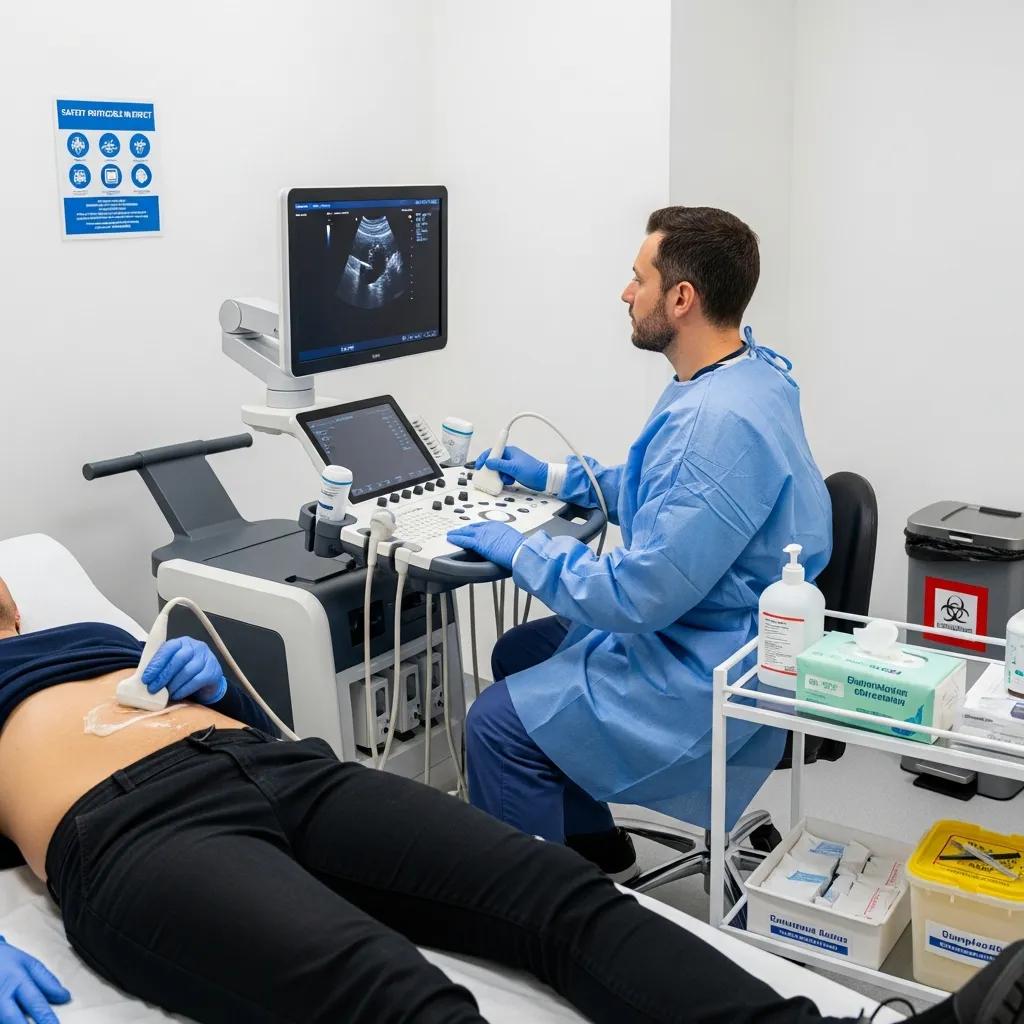
During the abdominal ultrasound procedure, a trained technician uses an ultrasound transducer to capture images of the abdominal organs. The process is straightforward and typically lasts between 30 to 60 minutes.
Studies have explored the expertise of different professionals involved in ultrasound, highlighting the high accuracy achieved by trained personnel.
Abdominal Ultrasound Accuracy: Radiologist vs. Radiographer
radiologists are highly accurate in performing and interpreting routine abdominal sonography. Our results have shown excellent levels of agreement between the radiographers trained
Who should be performing routine abdominal ultrasound? A prospective double-blind study comparing the accuracy of radiologist and radiographer, 2000
The technician applies a special gel to the skin over the area being examined. This gel helps to transmit the sound waves and ensures better image quality. The transducer is then moved over the abdomen, emitting high-frequency sound waves that bounce off the organs and create images on a monitor.
The procedure is painless and does not involve any radiation, making it a safe option for patients of all ages.
Which Abdominal Organs Are Examined in the Ultrasound?
An abdominal ultrasound can examine several key organs, including:
- Liver: To assess for conditions such as fatty liver disease or tumors.
- Kidneys: To check for stones, cysts, or other abnormalities.
- Gallbladder: To evaluate for gallstones or inflammation.
- Pancreas: To detect issues like pancreatitis or tumors.
These examinations help healthcare providers diagnose various conditions and plan appropriate treatments.
How Is the Ultrasound Scan Performed?
The ultrasound scan is performed using a handheld device called a transducer. This device emits high-frequency sound waves that penetrate the body and reflect off internal structures.
- Use of Ultrasound Gel: The gel applied to the skin enhances the transmission of sound waves and improves image clarity.
- Transducer Movement: The technician moves the transducer across the abdomen, capturing images from different angles.
- Image Capturing: The reflected sound waves are converted into images displayed on a monitor, allowing for real-time assessment of the organs.
This method provides a comprehensive view of the abdominal area, aiding in accurate diagnosis.
Is an Abdominal Ultrasound Scan Safe and What Are the Risks?
An abdominal ultrasound scan is considered a safe procedure with minimal risks. It is non-invasive and does not involve exposure to ionizing radiation, making it suitable for pregnant women and children.
What Safety Measures Are Taken During the Ultrasound?
To ensure patient safety during the ultrasound, several measures are implemented:
- Equipment Checks: The ultrasound equipment is regularly maintained and calibrated to ensure accurate imaging.
- Patient Monitoring: Technicians monitor the patient throughout the procedure to ensure comfort and address any concerns.
- Hygiene Practices: Strict hygiene protocols are followed, including the use of clean transducers and gel.
These safety measures contribute to a secure and effective imaging experience.
Are There Any Side Effects or Risks?
While abdominal ultrasounds are generally safe, some patients may experience mild discomfort from the pressure of the transducer or the cold gel. However, serious side effects are rare.
Common side effects may include:
- Mild Discomfort: Some patients may feel slight pressure during the scan.
- Allergic Reactions: Rarely, individuals may have an allergic reaction to the gel used.
Overall, the benefits of an abdominal ultrasound far outweigh the potential risks.
How Are Ultrasound Imaging Results Interpreted and What Comes Next?
After the ultrasound is completed, the images are reviewed by a radiologist who interprets the results.
Further review by subspecialized radiologists can sometimes offer additional insights or clarify initial findings, underscoring the complexity of image interpretation.
Clinical Benefit of Subspecialty Abdominal Imaging Review
Subspecialty review of abdominal imaging exams can provide clinical benefit. Half of the discrepancies in this series of abdominal reinterpretations were due to overcalls.
The clinical impact of subspecialized radiologist reinterpretation of abdominal imaging studies, with analysis of the types and relative frequency of interpretation …, AK Hara, 2014
What Can an Abdominal Ultrasound Detect?
An abdominal ultrasound can detect a variety of conditions, including:
- Tumors: Identifying abnormal growths in organs.
- Cysts: Detecting fluid-filled sacs in the kidneys or liver.
- Organ Abnormalities: Assessing structural issues in organs like the pancreas or gallbladder.
The radiologist will compile a report detailing the findings, which will be shared with the referring physician.
What Should I Expect After the Scan?
After the scan, patients can typically resume normal activities immediately. The results may be available within a few days, depending on the facility’s protocols.
Patients should follow up with their healthcare provider to discuss the results and any necessary next steps, which may include further testing or treatment options.