
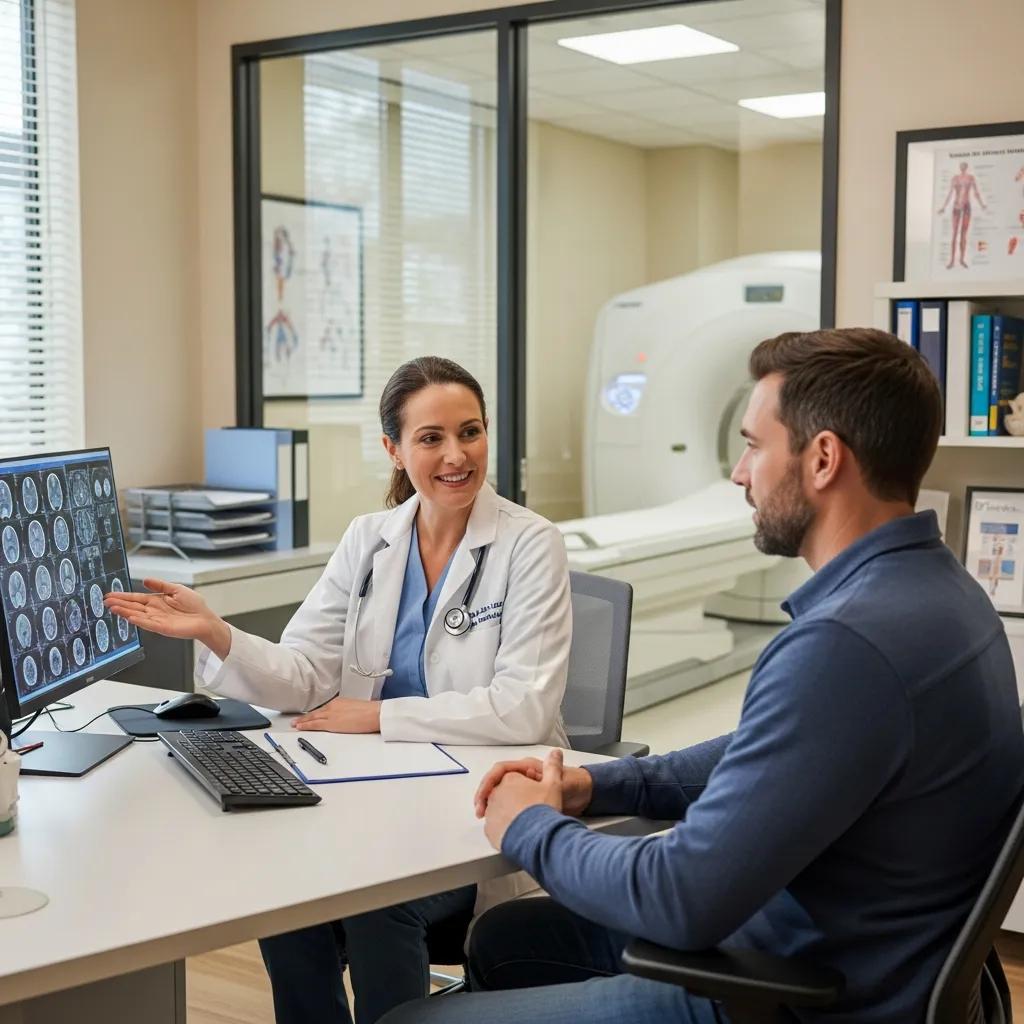
Headaches and Brain Scans: When Should You Get a Head CT or MRI?
Headaches can be a common yet distressing experience, often leading individuals to seek medical attention. Understanding when to pursue advanced imaging, such as a CT scan or MRI, is crucial for effective diagnosis and treatment. This article will explore the clinical indications for imaging, the symptoms that warrant immediate attention, and the risks associated with these procedures. By the end, readers will have a clearer understanding of when to consider brain imaging for headaches and how to navigate the process effectively.
Clinical Indications for Imaging
Imaging is often warranted in cases of headaches that present with specific clinical indications. These may include thunderclap headaches, which are sudden and severe, and neurological symptoms that suggest a more serious underlying condition. Recurrent headaches that do not respond to standard treatments may also necessitate imaging to rule out structural abnormalities or other serious issues. Understanding these indications can help patients and healthcare providers make informed decisions about the need for imaging.
Symptoms Warranting Immediate Imaging

Certain symptoms should prompt immediate imaging to rule out serious conditions. These include:
- Sudden Onset of Severe Headache: Often described as a “thunderclap,” this type of headache can indicate a serious issue such as a hemorrhage.
- Neurological Deficits: Symptoms like weakness, numbness, or difficulty speaking may suggest a stroke or other neurological condition.
- Persistent Headaches: Headaches that do not improve with treatment or that worsen over time should be evaluated with imaging.
Recognizing these symptoms is vital for timely intervention and treatment.
Risks Associated with CT and MRI
While CT and MRI scans are valuable diagnostic tools, they are not without risks. Understanding these risks can help patients make informed decisions about their healthcare.
| Imaging Type | Risk Factor | Description |
|---|---|---|
| CT Scan | Radiation Exposure | CT scans involve exposure to ionizing radiation, which can increase the risk of cancer over time. |
| MRI | Safety Concerns | MRI scans use strong magnetic fields, which can pose risks for patients with certain implants or devices. |
| Both | Allergic Reactions | Some patients may experience allergic reactions to contrast agents used in imaging. |
Patients should discuss these risks with their healthcare provider to weigh the benefits against potential hazards.
What Are the Clinical Indications for Head CT and Brain MRI in Headache Diagnosis?
Clinical indications for head CT and brain MRI in headache diagnosis include specific headache types and associated symptoms. These imaging modalities are particularly useful in cases where there is a suspicion of serious underlying conditions.
Which headache symptoms warrant immediate brain imaging?
Symptoms that warrant immediate imaging include sudden severe headaches, often described as a “thunderclap,” which can indicate conditions like subarachnoid hemorrhage. Additionally, headaches accompanied by neurological deficits, such as weakness or altered consciousness, should prompt urgent imaging to rule out serious issues.
How do red flags guide the decision for CT or MRI scans?
Red flags are critical indicators that guide the decision for imaging. These include sudden onset headaches, changes in headache patterns, and associated neurological symptoms. Healthcare providers use these red flags to determine the urgency and necessity of imaging, ensuring that serious conditions are not overlooked.
Further emphasizing the importance of these indicators, research highlights how specific ‘red flags’ serve as crucial screening tools for identifying patients who require prompt neuroimaging.
Headache Red Flags: Clinical Indications for Neuroimaging
Headache is a very common patient complaint but secondary causes for headache are unusual. Neuroimaging is both expensive and has a low yield in this group. Most patients with intracranial pathology have clinical features that would raise a “red flag”. Appropriate selection of patients with headache for neuroimaging to look for secondary causes is very important. Red flags act as screening tools to help in identifying those patients presenting with headache who would benefit from prompt neuroimaging, and may increase the yield. The aim of this study is to evaluate clinical features in patients with headache using neuroimaging as a screening tool for intracranial pathology. 20 red flags were defined.
Red flags in patients presenting with headache: clinical indications for neuroimaging, NA Alias, 2003
How Do CT Scans and MRI Differ in Diagnosing Headaches?
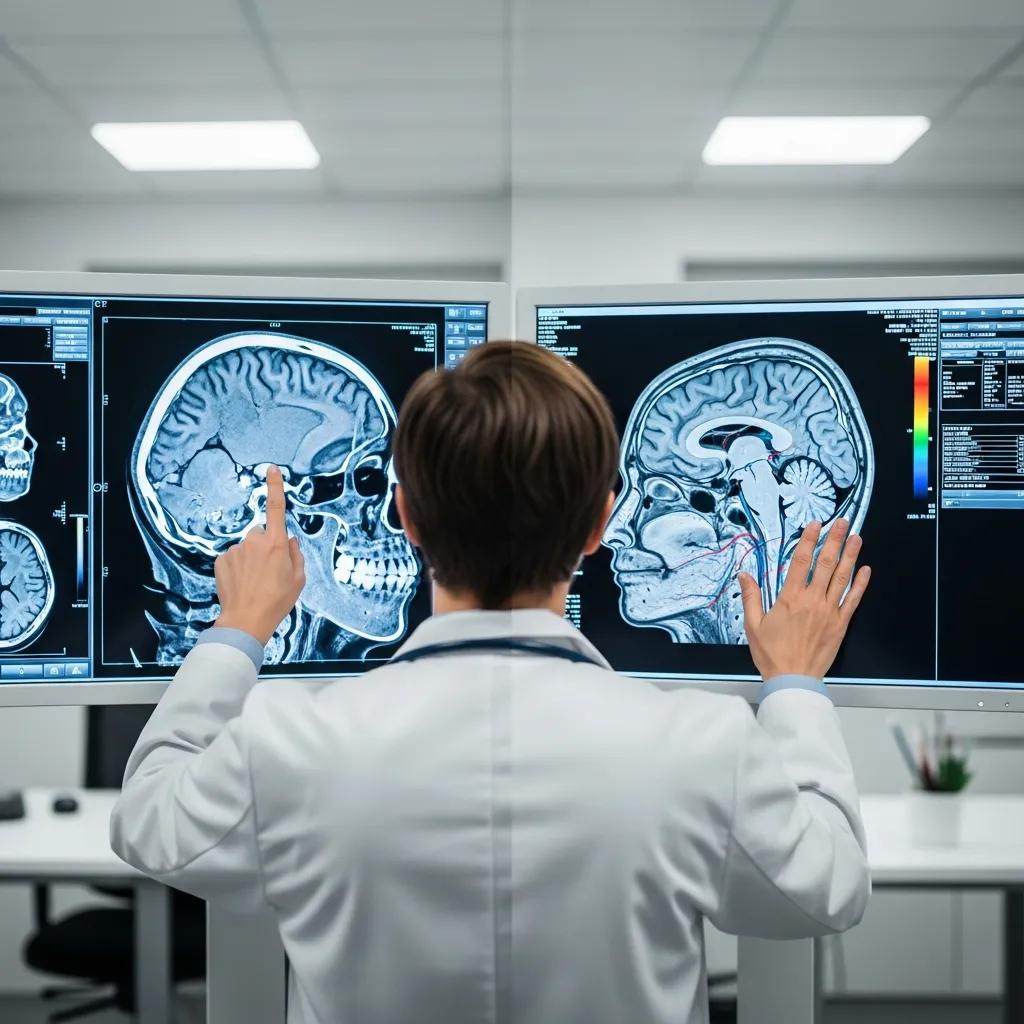
CT scans and MRIs serve different purposes in headache diagnosis. CT scans are typically faster and are often used in emergency settings to rule out acute conditions like hemorrhages. In contrast, MRIs provide more detailed images of soft tissues and are better suited for diagnosing chronic headaches and conditions like tumors or multiple sclerosis.
What are the benefits and risks of a head CT scan for headache?
Head CT scans offer rapid diagnosis, which is crucial in emergency situations. However, they also come with risks, primarily due to radiation exposure. Patients should discuss these benefits and risks with their healthcare provider to make informed decisions about their imaging options.
What should patients expect during a brain MRI for headache diagnosis?
During a brain MRI, patients can expect to lie still in a large, tube-like machine while images of the brain are taken. The procedure typically lasts 30 to 60 minutes. Patients may hear loud noises during the scan and will be provided with earplugs. It is essential to inform the technician of any implants or devices, as these can affect the MRI process.
When Should You Consider Brain Imaging for Different Types of Headaches?
Different types of headaches may influence the decision to pursue imaging. For instance, migraines and tension-type headaches typically do not require imaging unless red flags are present. However, sudden or severe headaches, particularly those that differ from a patient’s usual pattern, should be evaluated with imaging.
How do migraine and tension headaches influence imaging decisions?
Migraine and tension headaches generally do not necessitate imaging unless there are concerning symptoms. Patients with a history of migraines may not require imaging unless they experience a significant change in their headache pattern or new neurological symptoms.
What are the imaging guidelines for sudden or severe headaches?
Imaging guidelines recommend immediate evaluation for sudden or severe headaches, particularly if they are accompanied by neurological symptoms. Healthcare providers often use CT scans as the first-line imaging modality in these cases to quickly rule out life-threatening conditions.
How Can You Book a Head CT or Brain MRI Appointment at X-Ray Docs?
Booking an appointment for a head CT or brain MRI at X-Ray Docs is a straightforward process. Patients can schedule their imaging through the website or by contacting the office directly. It is essential to have a referral from a healthcare provider and to bring any necessary documentation to the appointment.
What is the process for scheduling a brain scan at X-Ray Docs?
To schedule a brain scan at X-Ray Docs, patients should first obtain a referral from their healthcare provider. They can then visit the X-Ray Docs website to book an appointment online or call the office to speak with a representative. It is advisable to prepare for the appointment by gathering any relevant medical history and insurance information.
What should patients know before their imaging appointment?
Before their imaging appointment, patients should be aware of the preparation steps required for the procedure. This may include avoiding certain foods or medications prior to the scan. Additionally, patients should inform the staff of any allergies or medical conditions that may affect the imaging process.