
How Clinics Can Reduce Radiology Report Turnaround Times by 50%
By Tesla Radiological Services Team, Tesla Radiological Services
In the fast-paced environment of healthcare, timely radiology reporting is critical for effective patient management and care. Radiology report turnaround times can significantly impact clinical decisions, leading to delays in treatment that affect patient outcomes. Clinics often seek strategies to streamline these processes, leveraging technology and innovative practices to improve efficiency. This article explores how clinics can achieve a remarkable reduction in turnaround times, potentially by up to 50%. We will delve into the benefits of teleradiology, how it streamlines workflows, the technologies that enhance efficiency, and strategies for optimizing imaging appointment scheduling. Finally, we will discuss the quality assurance measures that ensure fast yet accurate reporting.
Key Benefits of Teleradiology for Faster Radiology Reporting
Teleradiology is a powerful tool that enables healthcare clinics to enhance their reporting capabilities. By allowing for remote interpretation of radiological images, clinics can enjoy several key advantages:
- Enhanced Efficiency: Teleradiology implements remote readings that reduce the waiting time for report generation, effectively improving overall operational speed.
- Cost Savings: By leveraging external radiologists, clinics can lower their operational costs associated with staffing and maintaining in-house radiology services.
- Improved Patient Care: The quicker access to reports facilitates timely decision-making for patient management, ultimately leading to better health outcomes.
These benefits underscore the potential of teleradiology in transforming clinics’ operational workflows and improving the speed of imaging results.
Moreover, X-Ray Docs, positioned as a leader in digital radiology services, enhances these benefits even further by offering innovative teleradiology solutions that focus on maximizing reporting efficiency and turnaround times for healthcare clinics. For advanced solutions in this area, consider exploring services that specialize in digital radiology services.
How Does Teleradiology Streamline Clinical Workflow and Reporting Speed?
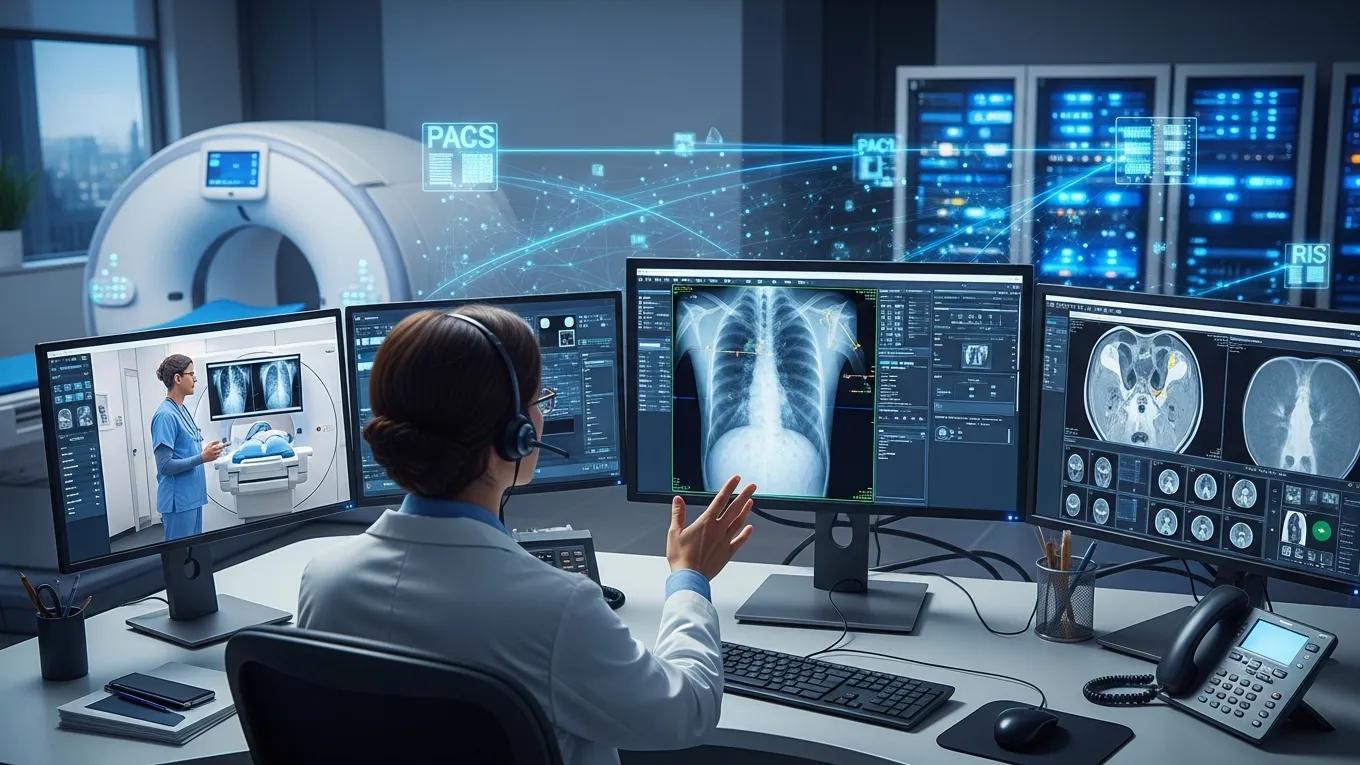
Teleradiology functions by integrating several critical processes that optimize clinical workflow. The key components include:
- Image Acquisition and Secure Transmission: This process allows for quick and reliable transfer of imaging data to radiologists, minimizing delays.
- Expert Interpretation: Remote access to specialized radiologists enables clinics to receive accurate interpretations swiftly, irrespective of geographical limitations.
- Integration with PACS and RIS: The seamless connection of teleradiology with Picture Archiving and Communication Systems (PACS) and Radiology Information Systems (RIS) ensures that images and reports are efficiently managed and accessed.
These interconnected systems significantly decrease the reporting times, often achieving reductions of up to 50%, thereby ensuring that clinics can provide timely care to their patients. This efficiency gain is often facilitated by specialized teleradiology solutions designed to optimize reporting speed.
Optimizing Home-Based Teleradiology for Faster Report Turnaround
Teleradiology has advanced from an occasional modality to a cornerstone of modern radiology practice, with the COVID-19 pandemic catalyzing widespread adoption of home-based reading environments. This review synthesizes current literature and expert recommendations on hardware and software optimization for effective home-based teleradiology implementation. Available data indicate 65% of institutions established home workstations during the pandemic, with 74% transitioning routine daytime shifts to internal teleradiology. We reviewed key components of successful remote reading environments, including diagnostic display specifications, environmental controls, ergonomic considerations, computational infrastructure, and network architecture. Evidence suggests that properly configured remote workstations maintain diagnostic performance equivalent to hospital reading rooms while enhancing radiologist satisfaction and productivity.
Technical requirements and optimization strategies for home-based teleradiology workstations: a review article, MS Alhasan, 2025
What Technologies Enable Enhanced Teleradiology Efficiency and Accuracy?
The efficiency and accuracy of teleradiology are supported by advanced technologies that streamline processes. Various tools and systems play a vital role:
- PACS (Picture Archiving and Communication Systems): These systems facilitate the storage, retrieval, and sharing of medical images, ensuring that healthcare practitioners have access to necessary data without delay.
- RIS (Radiology Information Systems): RIS helps in managing patient data effectively, optimizing scheduling, and tracking the status of radiological procedures, thereby enhancing workflow efficiency.
- AI Tools: Artificial intelligence technologies are increasingly used in radiology to assist with image analysis, identify patterns, and expedite reporting processes, contributing to faster diagnoses with high accuracy.
To better understand these technologies, let’s review a comparison of different systems that support teleradiology:
The integration of PACS, RIS, and AI tools not only fosters efficient workflows but also promotes accuracy in radiological reporting. Companies like X-Ray Docs are at the forefront of integrating these technologies to enhance radiology reporting.
How Can Clinics Optimize Imaging Appointment Scheduling for Improved Report Speed?
Effective management of imaging appointment scheduling is crucial in improving the speed of report generation. Clinics can adopt several strategies:
- Utilize Advanced Scheduling Systems: Leveraging technology that allows for easier scheduling and modifications helps in managing patient flow effectively.
- Incorporate Teleradiology Solutions: By enabling remote readings, clinics can avoid scheduling bottlenecks associated with in-house interpretations.
- Leverage Digital Radiology Solutions: The use of digital imaging systems facilitates quicker image transmission and reduces waiting periods for both patients and radiologists.
By implementing these strategies, clinics can ensure reduced delays and optimize their turnaround times significantly, enhancing overall operational efficiency.
Teleradiology Model Reduces Report Turnaround Time in Rural Healthcare
ABSTRACT: With the aim of facilitating early diagnosis and improving health care outcomes in the rural areas of northeast India, Teleradiology Solutions in Bangalore, Karnataka established an alliance with 26 Community Healthcare Centers (CHC), District (DH), and Sub-district (SDH) hospitals located over 3000 km away in Tripura. Digital Imaging and Communications in Medicine (DICOM) images of radiographs of patients from the sites were uploaded to a cloud-based Radiology Information System and Picture Archiving and Communication System (RIS-PACS) for interpretation by expert radiologists at a Teleradiology reporting hub in Bangalore. Over a period of 3 years, starting from January 2018, 78622 studies were interpreted via teleradiology. All age groups and study types were included. The mean turnaround time (TAT) for the report to reach the site once the images had been received in Bangalore for all studies was 3.19 hours (95% confidence interval [CI]: 3.22 – 3.16).Teleradiology in Tripura: effectiveness of a telehealth model for the rural health sector, 2022
What Quality Assurance Measures Ensure Fast Yet Accurate Radiology Reporting?
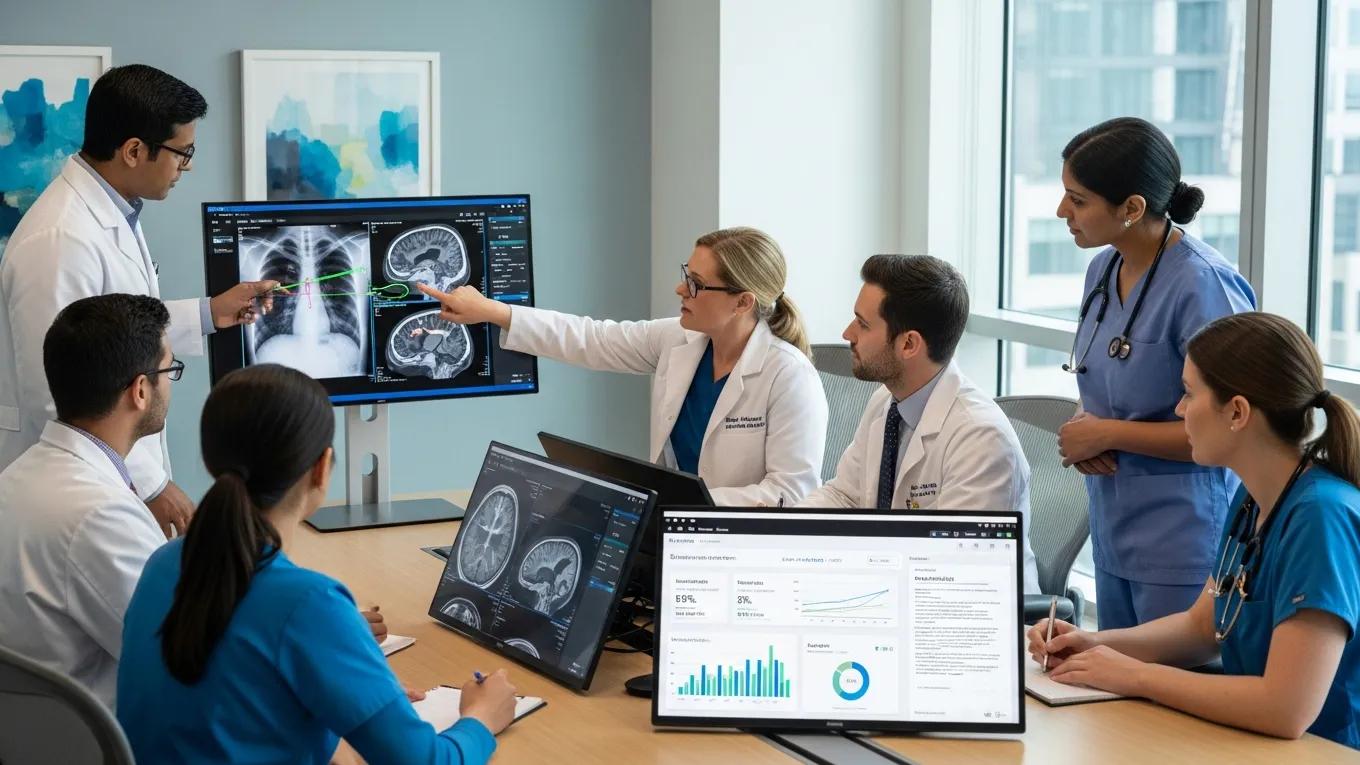
Maintaining quality in radiology reporting while improving speed is essential. Clinics can implement several quality assurance measures to balance these two goals:
- Utilizing Advanced Technology: Investing in high-quality imaging equipment and secure transmission systems ensures that images meet necessary diagnostic standards.
- Monitoring and Metrics: Continuous monitoring of turnaround times and report accuracy helps identify areas needing improvement, allowing for dynamic adjustment of processes.
- Regular Training and Compliance Checks: Ensuring that radiologists and support staff are up-to-date with the latest practices and technologies enhances both speed and diagnostic accuracy in reporting.
These quality assurance measures create a robust framework for clinics to continue improving their radiology report turnaround times while maintaining high clinical standards.