

Why South African GPs Are Outsourcing Radiology Reporting: Effective Steps to Start Using Teleradiology Solutions
By Tesla Radiological Services Team, Tesla Radiological Services
The healthcare landscape in South Africa is rapidly evolving, prompting general practitioners (GPs) to explore innovative solutions. Among these, outsourcing radiology reporting has gained traction, presenting a practical approach to enhancing patient care and optimizing clinic operations. In this article, we will delve into the reasons why South African GPs are turning to teleradiology solutions, examining the benefits, workflows, and technologies involved. Readers can expect to learn about the advantages of outsourcing, the mechanics of teleradiology, and crucial considerations for implementing these services to address challenges such as radiologist shortages and turnaround times.
What Are the Benefits of Outsourcing Radiology Reporting for South African GPs?
Outsourcing radiology reporting offers several significant benefits for South African GPs. By leveraging external radiology services, practitioners can enhance practice efficiency while improving patient outcomes. The following are key advantages:
- Cost Savings: Outsourcing allows GPs to eliminate the overhead associated with maintaining an in-house radiology department, leading to lower operational costs.
- Increased Efficiency: With access to specialized radiologists, GPs can benefit from quicker report turnaround times, enabling timely patient management.
- Access to Expertise: Rural clinics, in particular, gain access to expert opinions and interpretations, enhancing diagnostic accuracy despite geographical limitations.
These benefits highlight the potential for outsourced radiology services to streamline processes within GP clinics and improve overall patient care.
How Does Outsourcing Improve Report Turnaround Time and Patient Care?
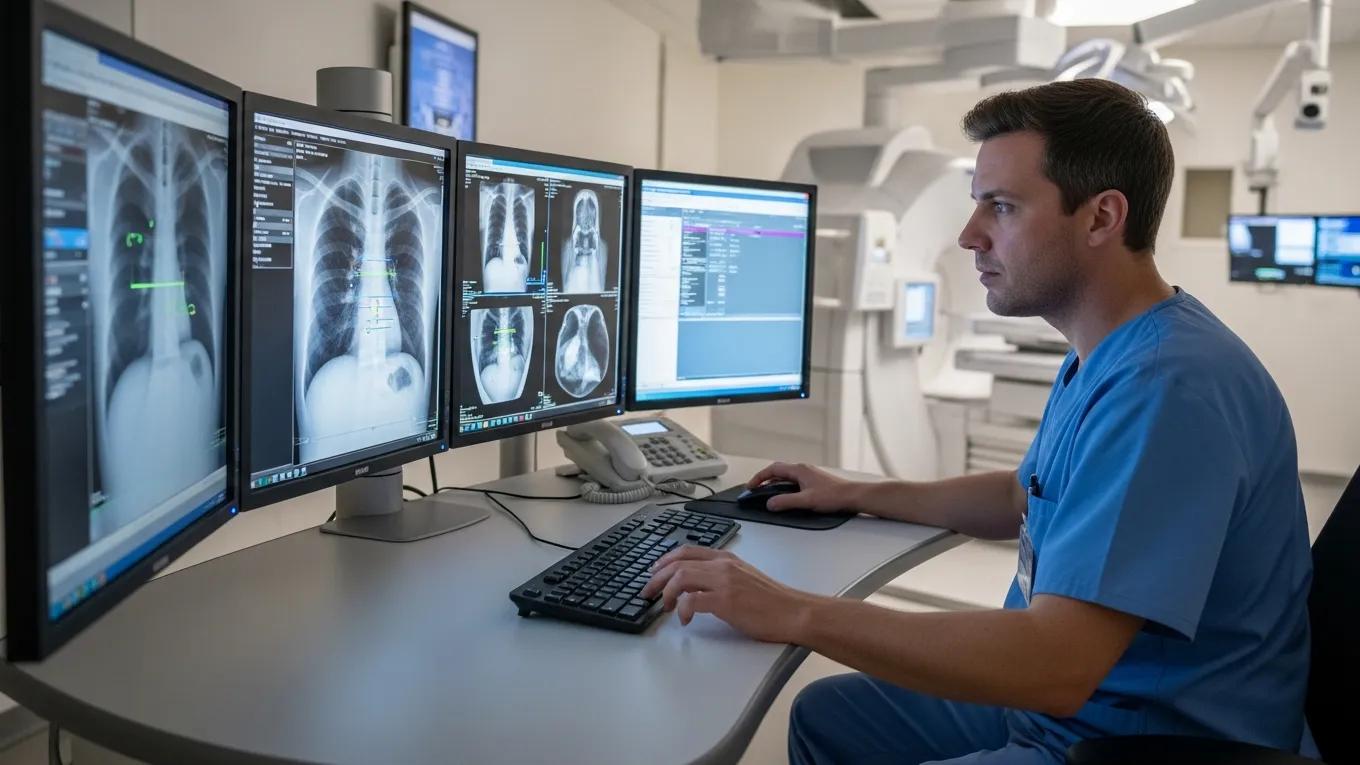
Outsourcing plays a pivotal role in expediting report turnaround times, which directly impacts patient care quality. When GPs utilize external radiology services, they often experience:
- Faster Access to Reports: Teleradiology platforms enable remote analysis of images, resulting in quicker delivery of reports.
- Improved Patient Management: Timely reporting facilitates prompt medical decisions, enhancing patient outcomes.
- Increased Patient Satisfaction: Rapid responses lead to better patient experiences, fostering trust in healthcare providers.
Such improvements underscore the importance of efficient reporting in delivering high-quality healthcare.
How Do Outsourced Radiology Services Help Address Radiologist Shortages Locally?
The healthcare system in South Africa has been challenged by a shortage of qualified radiologists. Outsourced radiology services can effectively alleviate this problem by:
- Providing Access to a Broader Pool of Radiologists: Teleradiology connects GPs with specialists nationwide, reducing pressure on local resources.
- Reducing Burden on Local Facilities: Outsourcing allows local institutions to prioritize critical cases and manage workloads more effectively.
- Supporting Timely Patient Care in Underserved Areas: Remote reporting expands access to high-quality radiological services, particularly in rural regions.
This model addresses the pressing issue of radiologist availability while ensuring patients receive timely diagnostic care.
What Is Teleradiology and How Does It Support South African GPs?
Teleradiology is the electronic transmission of radiological images for interpretation by radiologists. This innovative approach supports South African GPs in several ways:
- Definition of Teleradiology: Teleradiology involves the sharing of radiological images over secure networks, allowing remote specialists to analyze and report on cases.
- Benefits for GPs and Their Patients: GPs can consult specialists without geographical constraints, ensuring prompt and accurate diagnoses for their patients.
- Operational Efficiency: By eliminating the need for physical presence, teleradiology reduces operational downtime and fosters a more agile response to patient needs.
Through these mechanisms, teleradiology enhances the delivery of radiological services across the healthcare landscape.
How Does the Teleradiology Workflow Operate in Medical Imaging Reporting Services?
Understanding the workflow of teleradiology is essential for GPs considering this model. The process generally includes the following steps:
- Image Acquisition: Radiological images are acquired using imaging modalities such as X-rays, CT scans, or MRIs.
- Secure Transmission: Images are transmitted securely to radiologists via specialized teleradiology software.
- Expert Interpretation and Reporting: Trained radiologists analyze the images and generate detailed reports, which are sent back to the GP for review and action.
This streamlined workflow ensures that GPs receive comprehensive assessments without delays, fostering timely interventions.
Which Technologies and Standards Ensure Quality in Remote Radiology Reporting?
Technology plays a critical role in the effectiveness of remote radiology reporting. Key considerations include:
- Use of PACS (Picture Archiving and Communication System): PACS facilitates the storage, retrieval, and sharing of medical images, ensuring seamless access.
- Importance of Security Measures: Robust encryption and compliance with healthcare regulations guarantee the confidentiality and integrity of patient data.
- Structured Reporting Standards: Standardized reporting formats ensure consistency and clarity in communication between GPs and radiologists.
These technologies and standards collectively contribute to high-quality radiological reporting, essential for accurate diagnoses and treatment planning.
How Can South African GPs Start Outsourcing Their Radiology Reporting Effectively?
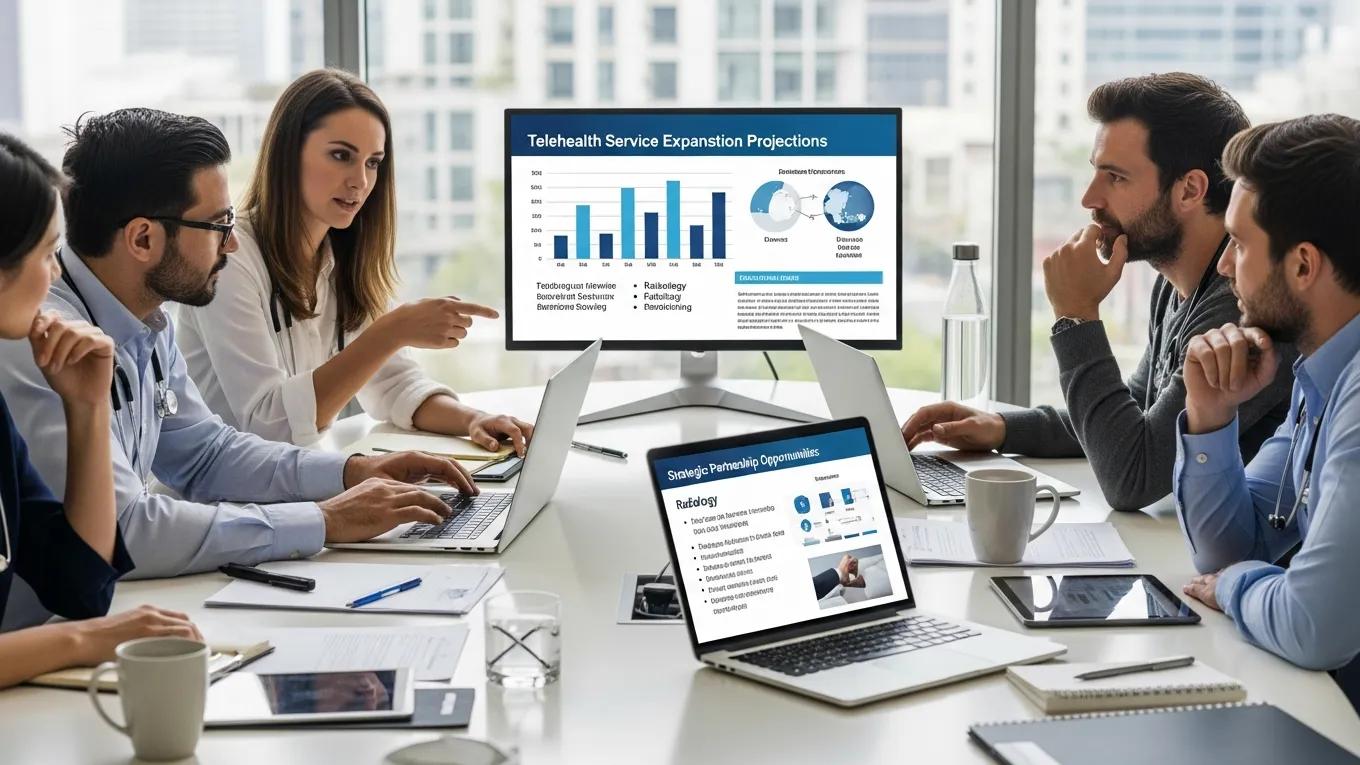
Embarking on the journey of outsourcing radiology reporting requires careful planning. The following steps outline an effective approach for South African GPs:
- Assess Current Capabilities: Determine the specific needs of your practice and identify the gaps that outsourcing can fill.
- Research and Choose a Provider: Evaluate potential teleradiology service providers based on their track record, technological capabilities, and compliance with regulations. For expert solutions, consider exploring X-Ray Docs for your practice.
- Implement Processes: Establish clear workflows and communication channels to facilitate a smooth transition to outsourced services.
These steps provide a roadmap for GPs interested in optimizing their radiology reporting processes.
What Are the Step-by-Step Procedures for Initiating Outsourced Radiology Services?
The process for initiating outsourced radiology services can be broken down into actionable steps:
- Define Objectives: Identify specific goals for outsourcing, such as improving turnaround times or expanding access to expertise.
- Select a Reputable Provider: Ensure that the chosen provider meets quality standards and offers reliable support services.
- Establish Communication Protocols: Set up efficient channels for transmitting images and receiving reports and feedback.
By following these procedures, GPs can effectively implement outsourcing and enhance their radiological services.
How to Select Reliable Radiology Support Services Tailored for GP Clinics?
Selecting the right radiology support service requires careful consideration of several factors:
- Accreditation and Compliance: Verify that the provider adheres to regulatory standards and holds relevant accreditations.
- Reviews and Testimonials: Seek feedback from other GPs who have utilized the service to gauge reliability and quality.
- Turnaround Times and Support Services: Evaluate the provider’s performance in terms of report turnaround times and customer support availability.
By prioritizing these criteria, GPs can ensure that they partner with a service that aligns with their practice needs.
How Does X-Ray Docs Facilitate Radiology Support for South African GP Clinics?
X-Ray Docs provides tailored radiology support solutions to South African GP clinics, facilitating seamless integration of outsourced services. The company enables GPs to benefit from:
- Advanced Technology Platforms: X-Ray Docs offers a user-friendly platform for appointment bookings and report retrieval, enhancing operational efficiency for clinics.
- Comprehensive Reporting Services: With access to a network of experienced radiologists, the service ensures accuracy and quick turnaround times for radiology reports.
What Are the Features of X-Ray Docs’ Appointment Booking and Reporting Platform?
X-Ray Docs’ platform includes several key features:
- Streamlined Appointment Scheduling: GPs can easily book imaging services, reducing administrative burdens.
- Real-Time Report Access: Clinicians receive immediate access to reports via the platform, facilitating timely patient management.
- User-Friendly Interface: The intuitive design allows for easy navigation, ensuring GPs can efficiently manage their radiology needs.
These features emphasize the convenience and effectiveness of using X-Ray Docs’ platform for radiology support.
What Case Studies Illustrate Successful Outsourcing Partnerships with X-Ray Docs?
Several clinics have successfully partnered with X-Ray Docs to enhance their radiology reporting. For instance:
- A rural clinic reported a significant increase in patient satisfaction after implementing X-Ray Docs’ services, thanks to quicker report turnaround and improved communication.
- Another urban practice noted enhanced diagnostic accuracy by relying on the expertise of X-Ray Docs’ radiologists, resulting in better treatment outcomes for patients.
These case studies highlight how X-Ray Docs can positively impact GP practices through effective outsourcing.
What Are the Typical Costs and Service Levels for Outsourced Radiology Reporting in South Africa?
Understanding the cost structure and available service levels is essential for GPs considering outsourcing. While costs can vary based on provider and services rendered, potential pricing includes:
- Base Fees for Services: Providers may charge a flat fee per report, generally ranging based on complexity and turnaround expectations.
- Subscription Models: Some services may offer subscription plans that provide bundled reporting services at a set cost.
How Is Pricing Structured for Radiology Reporting Services and What Influences Costs?
Pricing for radiology reporting services typically considers factors such as:
- Type of Imaging: Different imaging modalities may incur varying costs based on complexity and required expertise.
- Turnaround Time Expectations: Faster turnaround requests may attract higher fees to compensate for prioritization.
- Volume of Reports: Higher volumes may lead to discount pricing structures for clinics.
Understanding these pricing dynamics helps GPs choose the right balance between cost and quality for their practice needs.
What Service-Level Agreements Ensure Reliability and Quality in Outsourced Reporting?
Service-level agreements (SLAs) play a crucial role in ensuring the reliability and quality of outsourced radiology reporting. Key elements often included in effective SLAs are:
- Performance Metrics: Defined benchmarks for report turnaround times and accuracy rates.
- Quality Control Procedures: Guidelines on the provider’s quality assurance processes for maintaining reporting standards.
- Support and Communication: Provisions for timely communication regarding technical issues, report queries, or feedback loops.
These agreements ensure that both parties are aligned on expectations and accountability, fostering a trustworthy partnership.
What Are the Regulatory and Compliance Considerations for South African GPs Using Teleradiology?
As GPs embrace teleradiology, it’s important to navigate regulatory and compliance requirements effectively. Key considerations include:
- Healthcare Regulations: Understanding the legal framework governing telemedicine and radiology reporting in South Africa.
- Patient Data Security: Ensuring compliance with the Protection of Personal Information Act (POPIA) and safeguarding patient confidentiality.
Which Healthcare Regulations Govern Radiology Reporting and Telemedicine in South Africa?
The regulatory landscape for radiology and telemedicine includes:
- Health Professions Act: Governs the practice of healthcare professionals, including radiologists.
- POPIA Compliance: Protects patient information, mandating secure data handling and privacy.
Adhering to these regulations is crucial for maintaining patient trust and legal compliance in teleradiology services.
How Do GPs Ensure Patient Data Security and Confidentiality in Remote Reporting?
To ensure patient data security, GPs can implement several best practices, such as:
- Encryption and Secure Transmission Protocols: Utilizing robust encryption methods to protect transmitted medical images and reports.
- Access Control Measures: Restricting access to sensitive data only to authorized personnel.
- Regular Compliance Audits: Conducting audits to assess adherence to security policies and regulations.
By maintaining stringent data security measures, GPs can protect patient confidentiality while utilizing outsourced radiology reporting services effectively.