

Pregnancy Ultrasound Guide: Understanding Scans & Booking Tips
Pregnancy ultrasounds are a vital part of prenatal care, providing expecting mothers with essential insights into fetal health and development. This comprehensive guide will explore the significance of pregnancy ultrasounds, the various types available, and the best practices for scheduling and preparing for these important scans. Many expectant mothers may feel anxious about the process, but understanding what to expect can alleviate concerns and ensure a smoother experience. Throughout this article, we will cover key topics such as the importance of ultrasounds, how they work, and the safety of these procedures. Additionally, we will provide information on how to use X-Ray Docs’ online appointment booking for pregnancy scans, making it easier for mothers to access these crucial services.
What is a Pregnancy Ultrasound and Why is it Important?
A pregnancy ultrasound is a medical imaging technique that uses sound waves to create images of the developing fetus in the womb. This non-invasive procedure is crucial for monitoring fetal health and development throughout pregnancy. Ultrasounds help healthcare providers assess the baby’s growth, detect any potential abnormalities, and determine the due date. Additionally, they play a significant role in prenatal care by providing valuable information that can guide medical decisions and interventions. Regular ultrasounds can help ensure a healthy pregnancy and provide peace of mind for expecting mothers.
How Does Ultrasound Imaging Detect Fetal Development?
Ultrasound imaging detects fetal development by emitting high-frequency sound waves that bounce off the fetus and surrounding tissues, creating echoes that are converted into images. This process allows healthcare providers to visualize the fetus’s size, position, and overall health. Ultrasound technology can also identify key fetal development indicators, such as heartbeat, limb formation, and organ development. Regular ultrasounds are essential for monitoring these aspects, ensuring that any potential issues are addressed promptly.
What Are the Common Types of Pregnancy Ultrasound Scans?
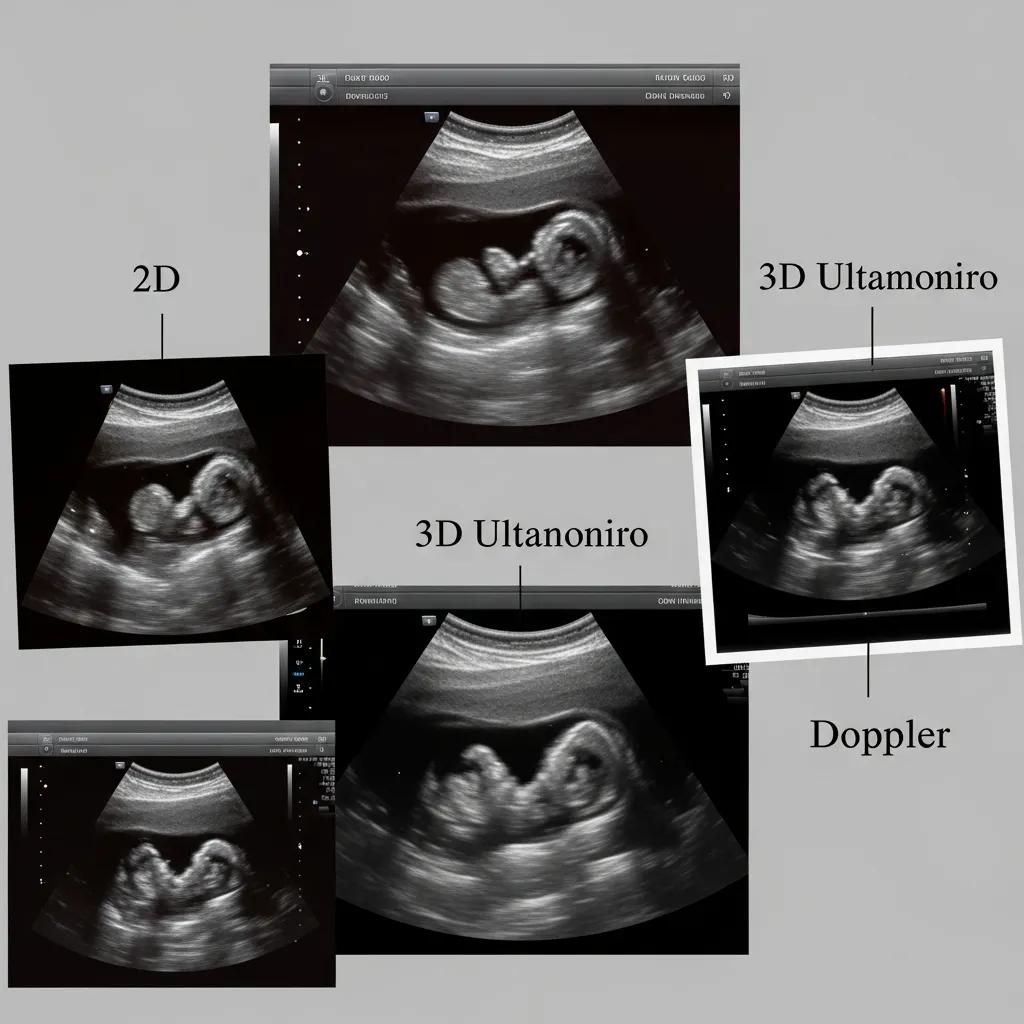
There are several types of pregnancy ultrasound scans, each serving a specific purpose. Understanding these types can help expecting mothers know what to expect during their appointments.
| Scan Type | Description | Timing |
|---|---|---|
| 2D Ultrasound | Provides flat images of the fetus, commonly used for routine checks. | Typically performed in the first and second trimesters. |
| 3D Ultrasound | Creates three-dimensional images, offering a more detailed view of the fetus. | Often done in the second or third trimester. |
| Doppler Ultrasound | Measures blood flow in the fetus and placenta, assessing fetal health. | Usually performed in the second or third trimester. |
These scans are essential for monitoring fetal health and development, allowing healthcare providers to make informed decisions regarding prenatal care.
When Should Expecting Mothers Schedule Their Ultrasound Scans?
Expecting mothers should schedule their ultrasound scans at specific intervals during pregnancy to ensure optimal monitoring of fetal health. The first ultrasound is typically recommended around 6-8 weeks to confirm the pregnancy and establish a due date. Subsequent scans are usually scheduled at 18-20 weeks for a detailed anatomy scan and additional scans as needed based on individual circumstances. Early detection of any potential issues can significantly impact the management of the pregnancy, making timely scheduling crucial.
What is the Best Timing for First Trimester and Antenatal Scans?
The best timing for first trimester scans is between 6 to 8 weeks of pregnancy, as this is when the fetal heartbeat can typically be detected. This early scan helps confirm the pregnancy and assess the number of fetuses. For antenatal scans, the optimal timing is around 18-20 weeks, which allows for a comprehensive evaluation of fetal anatomy and development. This scan can identify any structural abnormalities and provide critical information about the baby’s health.
How Often Should Ultrasound Scans Be Performed During Pregnancy?
The frequency of ultrasound scans during pregnancy can vary based on individual circumstances and medical recommendations. Generally, most expecting mothers will have at least two routine ultrasounds: one in the first trimester and another in the second trimester. Additional scans may be necessary if there are concerns about fetal health, growth, or complications. Regular monitoring through ultrasounds is essential for ensuring the well-being of both the mother and the baby.
How to Prepare for Your Pregnancy Ultrasound Appointment?

Preparing for a pregnancy ultrasound appointment is straightforward but essential for obtaining clear images. Expecting mothers should:
- Drink Water: Drink plenty of water before the appointment to ensure a full bladder, which can help improve image quality.
- Wear Comfortable Clothing: Choose loose-fitting clothing for easy access to the abdomen during the scan.
- Follow Instructions: Adhere to any specific instructions provided by the healthcare provider regarding preparation.
These steps can help ensure a successful ultrasound experience.
What Steps Should You Take Before a Doppler or 3D Pregnancy Scan?
Before a Doppler or 3D pregnancy scan, additional preparation may be required:
- Consult Your Provider: Discuss any specific instructions with your healthcare provider, as they may have tailored recommendations.
- Avoid Heavy Meals: Refrain from eating heavy meals before the scan, as this can affect the quality of the images.
- Arrive Early: Arriving early allows time for any necessary paperwork and ensures a relaxed experience.
These preparations can enhance the quality of the scan and provide more accurate results.
How to Use X-Ray Docs’ Online Appointment Booking for Pregnancy Scans?
X-Ray Docs offers a convenient online appointment booking system for pregnancy scans, making it easier for expecting mothers to schedule their ultrasounds. To use this service, follow these steps:
- Visit the Website: Go to the X-Ray Docs website.
- Select Your Service: Choose the type of pregnancy ultrasound you need.
- Choose a Date and Time: Select a convenient date and time for your appointment.
- Provide Your Information: Fill out the required information to complete your booking.
This streamlined process ensures that expecting mothers can easily access the imaging services they need.
Is Pregnancy Ultrasound Safe and What Can You Expect During the Scan?
Pregnancy ultrasounds are considered safe for both the mother and the fetus. The procedure is non-invasive and does not involve radiation, making it a preferred method for monitoring fetal health. During the scan, expecting mothers can expect to lie on an examination table while a technician applies a gel to the abdomen and uses a transducer to capture images. The process is generally painless and lasts about 30 minutes to an hour.
What Does Recent Research Say About Ultrasound Safety in Pregnancy?
Recent research indicates that ultrasound technology is safe for use during pregnancy when performed by qualified professionals. Studies have shown no significant adverse effects on fetal development associated with routine ultrasound scans. Health organizations, including the American College of Obstetricians and Gynecologists, recommend ultrasounds as a standard part of prenatal care, emphasizing their importance in monitoring fetal health and development.
Further studies have also explored the understanding and attitudes of clinical users regarding the safety of diagnostic ultrasound during pregnancy.
Clinical Knowledge on Ultrasound Safety in Pregnancy
users’ knowledge regarding safety aspects of diagnostic ultrasound during pregnancy. End users’ attitudes toward the use of ultrasound in low-risk pregnancies were also assessed.
What do clinical users know regarding safety of ultrasound during pregnancy?, 2007
What Can Be Seen on a 3D or Fetal Anatomy Scan?
A 3D or fetal anatomy scan provides detailed images of the fetus, allowing healthcare providers to assess various aspects of fetal development. These scans can reveal:
- Facial Features: Clear images of the baby’s face, helping to identify any potential abnormalities.
- Organ Development: Detailed views of the baby’s organs, ensuring they are developing correctly.
- Overall Growth: Measurements of the baby’s size and growth patterns, which are crucial for assessing health.
These advanced imaging techniques offer valuable insights into fetal health and development, enhancing prenatal care.