
Remote Teleradiology Solutions for South African Healthcare
Teleradiology is revolutionizing the healthcare landscape in South Africa by providing remote access to radiological services, which is crucial for improving patient outcomes. This article explores the various teleradiology solutions available, their operational mechanisms, and the significant benefits they offer to healthcare facilities. Readers will gain insights into how teleradiology enhances diagnostic processes, addresses radiologist shortages, and improves access to care, especially in rural areas. The discussion will also highlight the specific services offered by Tesla Radiology Services (TRS), a key player in this field, and how their solutions integrate with existing hospital workflows. By understanding these aspects, healthcare providers can make informed decisions about adopting teleradiology solutions to enhance their service delivery.
What is Teleradiology and How Does It Work in South Africa?
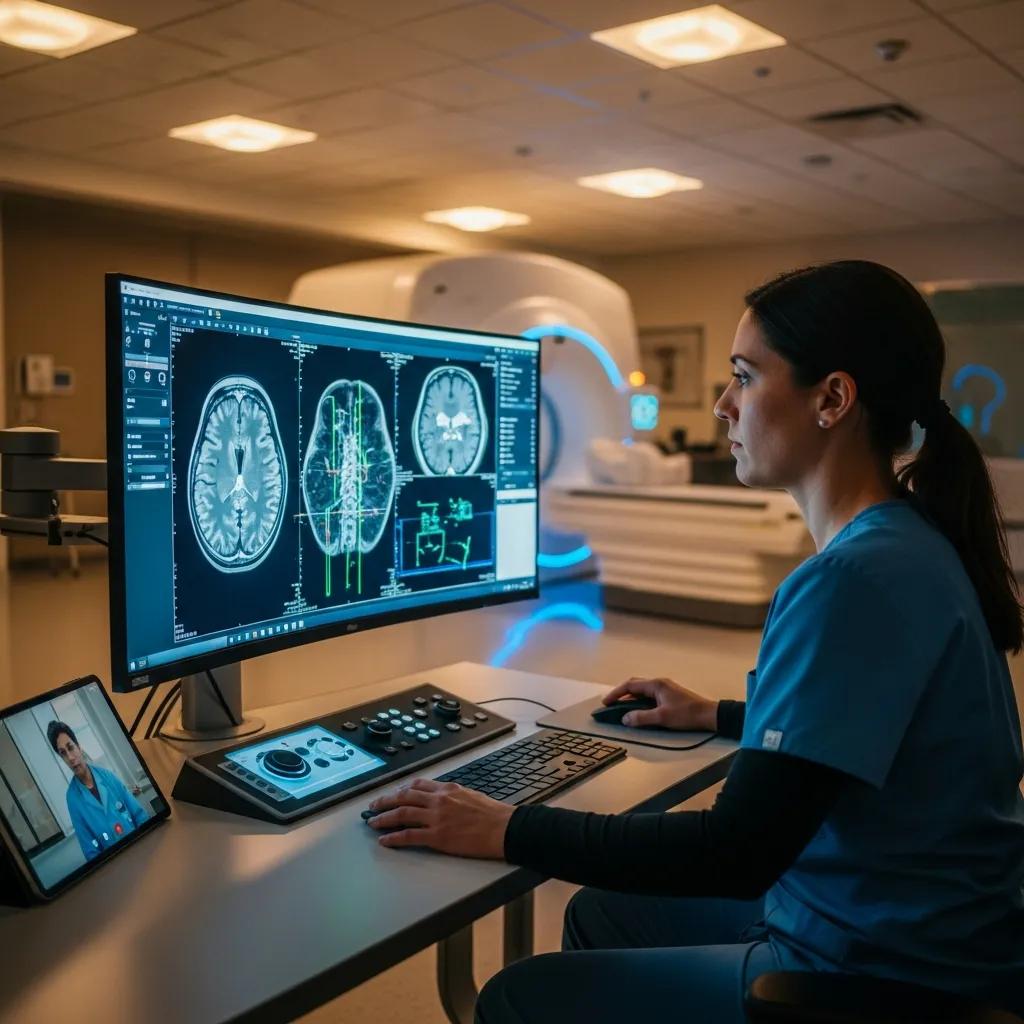
Teleradiology refers to the transmission of radiological images and reports from one location to another for interpretation and diagnosis. This process relies on advanced technology to ensure secure and efficient communication between healthcare providers and radiologists. In South Africa, teleradiology is becoming increasingly vital as it allows for timely access to expert opinions, which is essential for effective patient management. The integration of teleradiology into healthcare systems enhances the speed and accuracy of diagnoses, ultimately leading to better patient care.
How Does Remote Radiology Reporting Improve Diagnostic Processes?

Remote radiology reporting significantly enhances diagnostic processes by providing faster reporting times and access to specialist radiologists. This immediacy allows healthcare providers to make quicker clinical decisions, which is particularly important in emergency situations.
For instance, patients with acute conditions can receive timely interventions based on rapid imaging assessments.
Moreover, remote reporting facilitates collaboration among healthcare professionals, ensuring that patients benefit from a multidisciplinary approach to their care.
What Technology Supports Secure Teleradiology Services?
The backbone of secure teleradiology services is robust technological infrastructure, including Picture Archiving and Communication Systems (PACS). PACS enables the storage, retrieval, and sharing of medical images in a secure environment. Additionally, data security measures such as encryption and compliance with healthcare regulations ensure that patient information remains confidential. These technologies not only support the operational efficiency of teleradiology but also build trust among patients and healthcare providers.
What Are the Key Benefits of Teleradiology for South African Hospitals?
Teleradiology offers numerous advantages for hospitals in South Africa, making it an attractive solution for enhancing healthcare delivery. The key benefits include cost savings, increased access to services, and the ability to address radiologist shortages effectively.
- Cost Savings: By outsourcing radiology services, hospitals can reduce operational costs associated with maintaining in-house radiology departments. This allows for better allocation of resources towards patient care.
- Increased Access to Services: Teleradiology improves access to specialized radiological services, particularly in rural and underserved areas where radiologists may be scarce.
- Addressing Radiologist Shortages: With a growing demand for radiological services, teleradiology helps mitigate the impact of radiologist shortages by providing access to a broader pool of specialists.
How Does Teleradiology Address Radiologist Shortages?
The shortage of radiologists is a pressing issue in South Africa, impacting the timely diagnosis and treatment of patients. Teleradiology addresses this challenge by enabling hospitals to connect with radiologists from various locations, thus expanding the available expertise. This model not only alleviates the burden on local radiologists but also ensures that patients receive high-quality care without unnecessary delays.
In What Ways Does Teleradiology Enhance Access in Rural and Underserved Areas?
Teleradiology plays a crucial role in enhancing healthcare access in rural and underserved areas. By providing remote access to radiological services, patients in these regions can receive timely diagnoses without the need for extensive travel. This is particularly beneficial for patients with limited mobility or those living far from urban healthcare facilities. Studies have shown that teleradiology has led to improved healthcare outcomes in these communities, as patients can receive necessary imaging and follow-up care more efficiently.
Which Teleradiology Services Does Tesla Radiology Services Offer?
Tesla Radiology Services (TRS) offers a comprehensive range of teleradiology solutions tailored to meet the needs of South African healthcare facilities. Their services include various imaging modalities and reporting options designed to enhance diagnostic accuracy and efficiency.
- Types of Imaging and Reporting: TRS provides a wide array of imaging services, including X-rays, CT scans, MRI scans, and ultrasounds. Each modality is supported by expert radiologists who ensure accurate interpretations and timely reports.
- Quality Assurance Processes: TRS implements stringent quality assurance protocols to maintain high standards in imaging and reporting. This includes regular audits and feedback mechanisms to ensure continuous improvement in service delivery.
What Types of Imaging and Reporting Are Included in Outsourced Radiology?
- X-rays: Essential for diagnosing fractures and other conditions.
- CT Scans: Provide detailed cross-sectional images for comprehensive assessments.
- MRI Scans: Offer high-resolution images of soft tissues, crucial for neurological evaluations.
- Ultrasounds: Used for a variety of diagnostic purposes including obstetrics and abdominal imaging.
These services are designed to meet the diverse needs of healthcare providers, ensuring that patients receive the best possible care.
How Does TRS Ensure Quality and Fast Turnaround Times?
TRS is committed to delivering high-quality radiology services with fast turnaround times. The company employs advanced technologies and streamlined processes to ensure that reports are generated quickly without compromising accuracy. Metrics for turnaround times are regularly monitored, and patient satisfaction is prioritized to enhance the overall experience for healthcare providers and their patients.
How Does Teleradiology Integration Improve Hospital Workflow and Patient Care?
What Role Does PACS System Integration Play in Teleradiology?
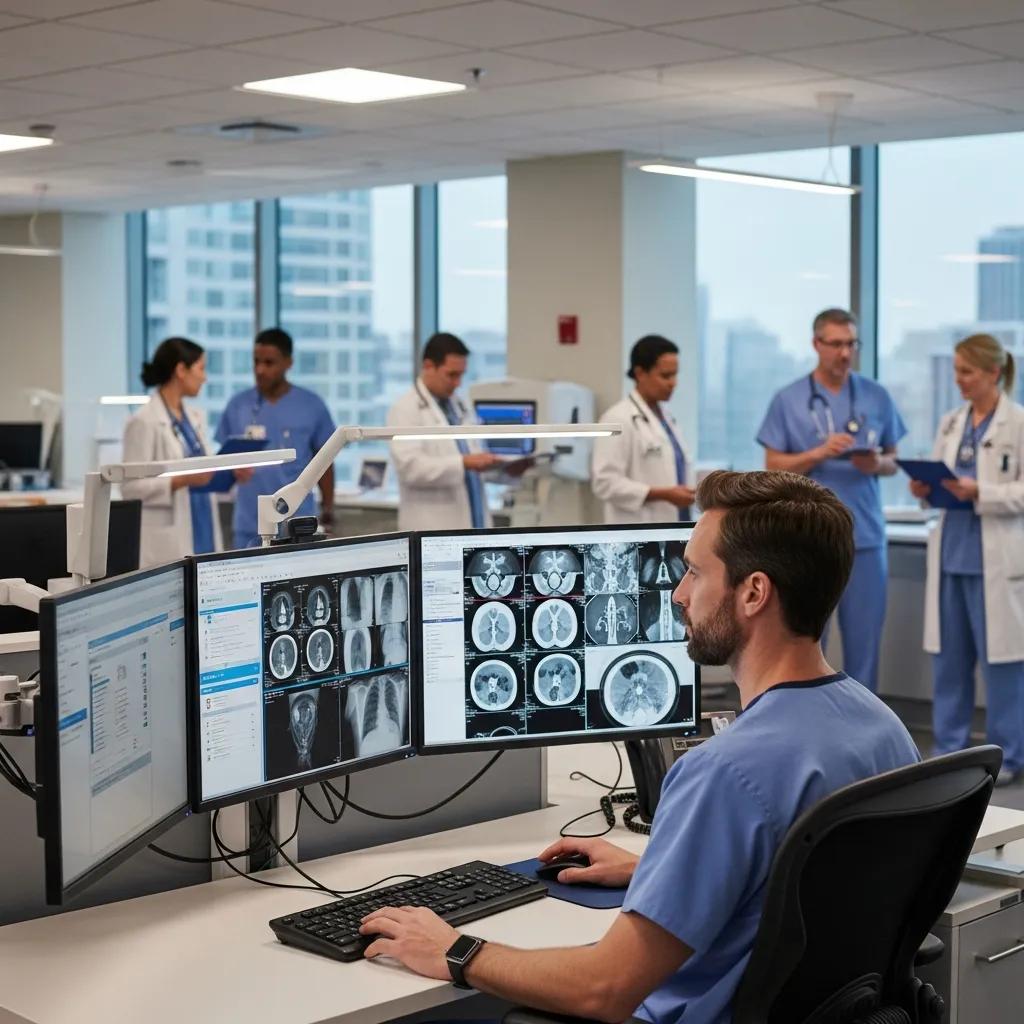
PACS system integration is vital for the effective functioning of teleradiology services. It allows for seamless sharing of images and reports between healthcare providers and radiologists, facilitating quick access to critical information. This integration not only improves workflow efficiency but also enhances collaboration among healthcare teams, ultimately benefiting patient care.
How Is Data Security and Compliance Maintained in Remote Reporting?
Data security and compliance are paramount in teleradiology. TRS employs robust data encryption methods and adheres to healthcare regulations such as the Protection of Personal Information Act (POPIA) in South Africa to protect patient information. Regular audits and compliance checks ensure that all processes meet the required standards, fostering trust among patients and healthcare providers.
What Are the Challenges and Solutions in Implementing Teleradiology in South Africa?
While teleradiology offers numerous benefits, there are challenges to its implementation in South Africa. These include structural barriers, resource limitations, and technological challenges that need to be addressed for successful adoption.
A recent study further explores the practical experiences and perceptions of radiologists regarding the adoption and challenges of teleradiology in the South African context.
Teleradiology in South Africa: Radiologists’ Experiences & Implementation
Background: Teleradiology was implemented in South Africa in 1999, but the subsequent uptake was low and slow. The onset of the coronavirus disease 2019 (COVID-19) pandemic catapulted South African healthcare into the arena of teleradiology. This created the environment for re-examining the factors that enable or inhibit the uptake of teleradiology in both the public and private sectors.Objectives: This article reports on a study of a select sample of private and public sector radiologists’ experiences with, and perceptions of, the benefits, opportunities, challenges and barriers to the implementation of teleradiology in the South African context.
Radiologists’ experiences and perceptions regarding the use of teleradiology in South Africa, 2023
What Structural Barriers Affect Teleradiology Adoption?
Structural barriers such as inadequate infrastructure and limited internet connectivity can hinder the effective implementation of teleradiology services. Many healthcare facilities, especially in rural areas, may lack the necessary technology to support remote imaging and reporting. Addressing these barriers requires investment in infrastructure and technology to ensure that all healthcare providers can benefit from teleradiology.
How Can Healthcare Facilities Overcome Reporting Delays and Resource Limitations?
Healthcare facilities can overcome reporting delays and resource limitations by collaborating with teleradiology providers like TRS. By outsourcing radiology services, hospitals can access a wider pool of radiologists and reduce the burden on their in-house staff. Additionally, investing in training for healthcare professionals can enhance their ability to utilize teleradiology effectively, ensuring that patients receive timely care.
How Is Artificial Intelligence Enhancing Teleradiology Services in South Africa?
What AI Technologies Support Diagnostic Accuracy and Efficiency?
AI technologies, such as machine learning algorithms and image analysis tools, are being integrated into teleradiology workflows. These tools assist radiologists in identifying abnormalities and patterns in imaging data, leading to more accurate diagnoses. The use of AI not only enhances the speed of reporting but also reduces the likelihood of human error, ultimately benefiting patient outcomes.
How Is AI Integration Shaping the Future of Remote Radiology?
The integration of AI in teleradiology is shaping the future of remote radiology by enabling more sophisticated analyses of imaging data. As AI technologies continue to evolve, they hold the potential to revolutionize diagnostic processes, making them faster and more reliable. This advancement will likely lead to improved patient care and outcomes, as healthcare providers can make more informed decisions based on accurate and timely information.
Indeed, the broader impact of AI and telemedicine on South African healthcare is increasingly recognized as a crucial factor in addressing systemic challenges and improving patient access and outcomes.
AI & Telemedicine: Transforming South African Healthcare Access
As South Africa (SA) navigates the complexities of its healthcare system, artificial intelligence (AI) emerges as a transformative force poised to address longstanding challenges and unlock new opportunities. With an overburdened public health sector, a growing disease burden, and disparities in access to quality care, AI-driven solutions offer the potential to enhance diagnostic accuracy, streamline operations and improve patient outcomes. From predictive analytics that anticipate disease outbreaks to AI-powered telemedicine platforms bridging the urban-rural healthcare divide, the integration of AI in healthcare is no longer a futuristic vision – it is an urgent necessity. As SA embraces digital transformation, fostering AI innovation will be key to ensuring a more efficient, accessible, and patient-centric healthcare system.
The role of AI in transforming healthcare in South Africa, 2025