
Understanding CT Scans: Procedure, Prep, Risks & Results
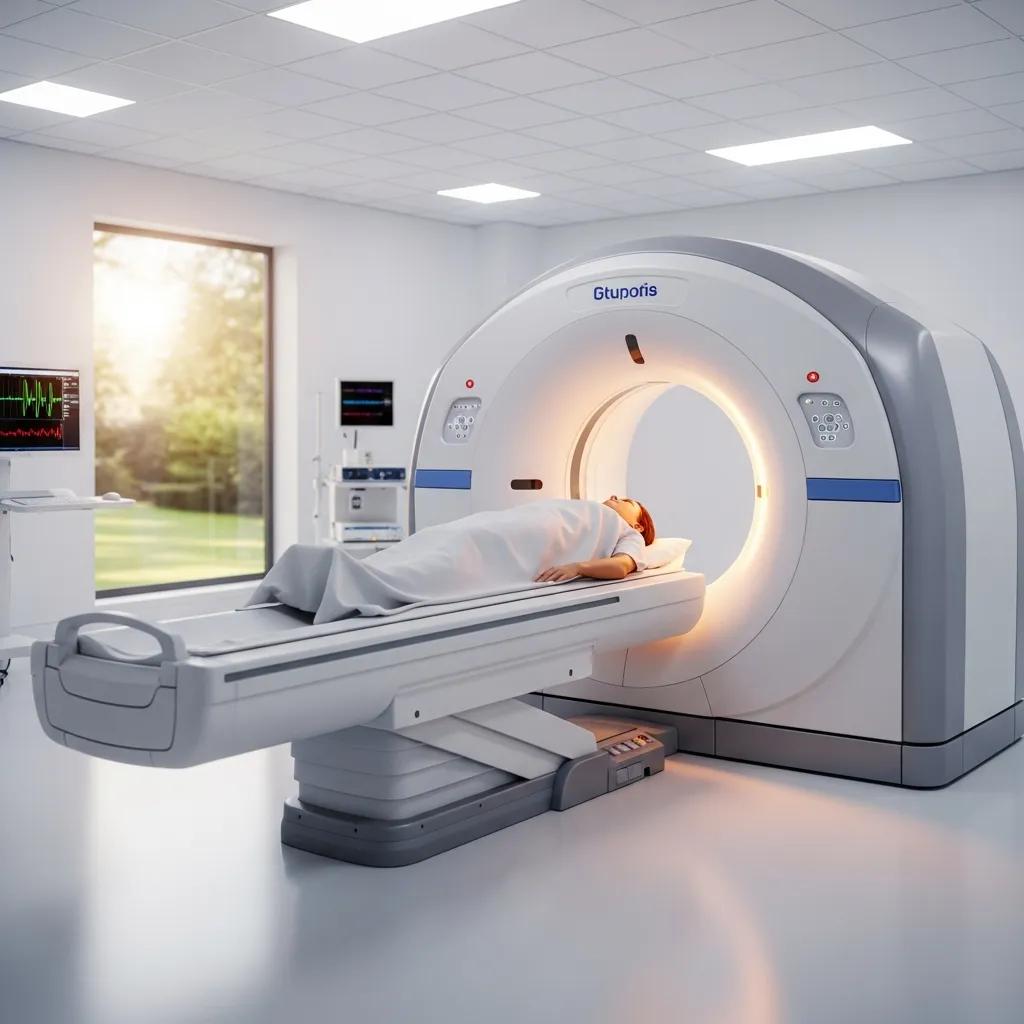
A CT scan, or computed tomography scan, is a sophisticated imaging technique that combines X-ray technology with computer processing to create detailed cross-sectional images of the body. This method allows healthcare professionals to visualize internal structures with remarkable clarity, aiding in the diagnosis of various medical conditions. Many patients may find themselves needing a CT scan due to unexplained symptoms or as part of a routine examination. Understanding the procedure, preparation, and potential risks associated with CT scans is essential for anyone facing this diagnostic tool. This article will explore the workings of CT scans, the technology behind them, when they are necessary, how to prepare, and what risks may be involved.
What Is a CT Scan and How Does the Procedure Work?
A CT scan is a diagnostic imaging procedure that utilizes X-ray technology to produce detailed images of the body’s internal structures. By taking multiple X-ray images from different angles and using computer algorithms, a CT scan creates cross-sectional views, or slices, of organs and tissues. This advanced imaging technique is particularly beneficial for identifying abnormalities, guiding treatment plans, and monitoring disease progression. The clarity and precision of CT scans make them invaluable in modern medicine, providing critical insights that can lead to timely and effective interventions.
What technology is used in a CT scan?
CT scans employ advanced X-ray imaging technology, which is enhanced by sophisticated computer software to reconstruct images. The primary components of a CT scanner include an X-ray tube, a rotating gantry, and a detector array. The X-ray tube emits radiation that passes through the body, while the detectors capture the X-rays that emerge, converting them into digital signals. These signals are then processed to create detailed images of the internal structures. Safety features, such as automatic exposure control, help minimize radiation exposure, making CT scans a safe option for diagnostic imaging.
How is a CT scan performed step-by-step?
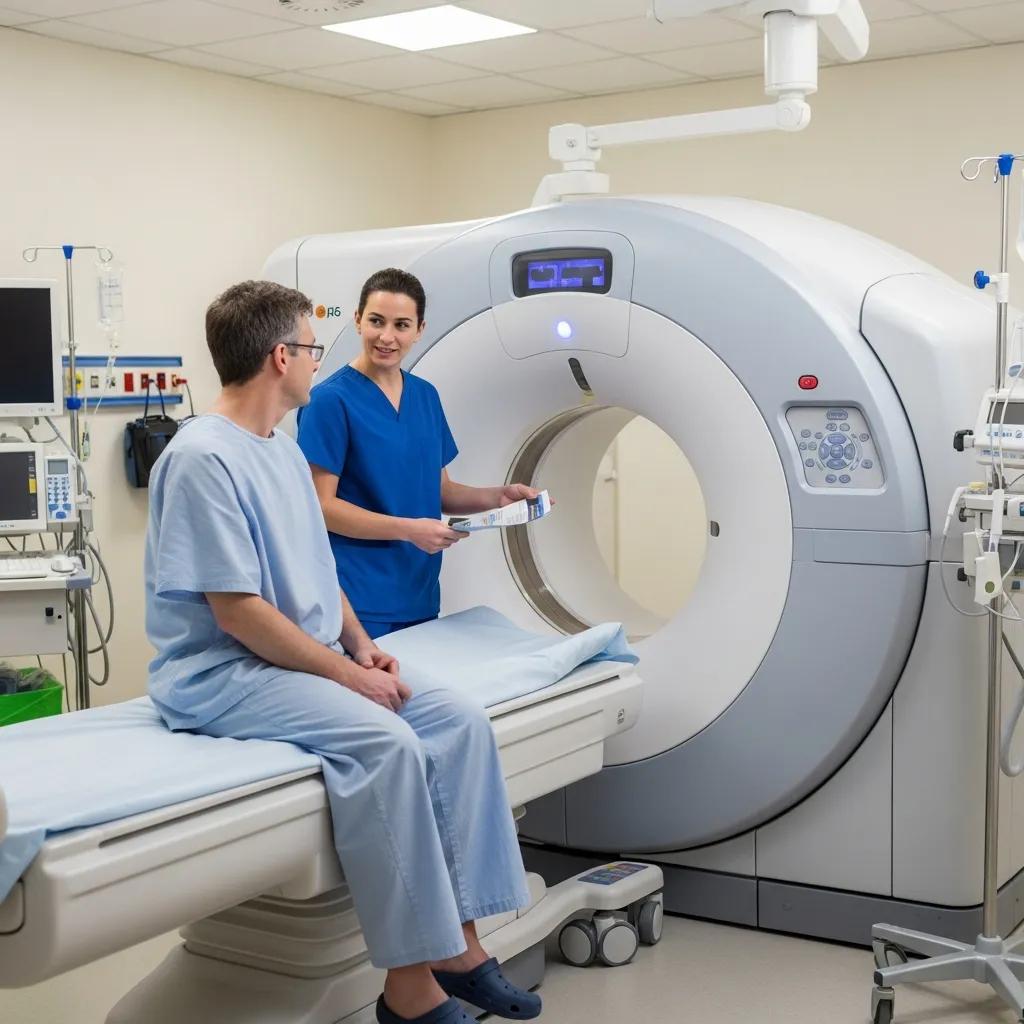
The process of undergoing a CT scan typically involves several key steps:
- Preparation: Patients may be asked to change into a hospital gown and remove any metal objects that could interfere with the imaging.
- Positioning: The patient lies on a motorized table that slides into the CT scanner. Proper positioning is crucial for obtaining accurate images.
- Scanning: As the table moves through the scanner, the X-ray tube rotates around the patient, capturing images from multiple angles. The entire process usually takes only a few minutes.
- Post-Scan Instructions: After the scan, patients may be advised to drink plenty of fluids to help flush out any contrast material used during the procedure.
When Do You Need a CT Scan? Key Indications and Medical Uses
CT scans are recommended in various medical scenarios, particularly when detailed internal images are necessary for diagnosis. Common indications for a CT scan include:
- Trauma Assessment: Evaluating injuries from accidents or falls.
- Cancer Diagnosis: Detecting tumors and assessing their size and location.
- Internal Organ Evaluation: Investigating conditions affecting organs such as the lungs, liver, and kidneys.
- Guiding Treatment: Assisting in planning surgeries or other interventions.
Healthcare professionals consider these factors when recommending a CT scan, ensuring that the benefits outweigh any potential risks.
What medical conditions require a CT scan for diagnosis?
Several medical conditions may necessitate a CT scan for accurate diagnosis, including:
- Cancer: To identify tumors and monitor treatment effectiveness.
- Stroke: To assess brain damage and determine appropriate interventions.
- Pulmonary Embolism: To detect blood clots in the lungs.
- Appendicitis: To confirm inflammation of the appendix.
These conditions highlight the critical role of CT scans in timely and effective medical care.
How do healthcare professionals decide to recommend a CT scan?
Healthcare professionals evaluate various factors when deciding to recommend a CT scan. These include:
- Patient Symptoms: The presence of unexplained pain or other concerning symptoms.
- Medical History: Previous health issues that may warrant further investigation.
- Physical Examination Findings: Results from initial assessments that suggest the need for detailed imaging.
By considering these elements, healthcare providers can make informed decisions about the necessity of a CT scan.
How Should You Prepare for a CT Scan? Essential Preparation Steps
Preparing for a CT scan is crucial to ensure accurate results and patient safety. Here are essential preparation steps:
- Dietary Restrictions: Patients may be instructed to avoid food and drink for a few hours before the scan, especially if contrast material will be used.
- Clothing Considerations: Wearing loose-fitting clothing without metal fasteners is recommended to facilitate the scanning process.
- Medication Instructions: Patients should inform their healthcare provider about any medications they are taking, as some may need to be paused before the scan.
What are the recommended preparation guidelines before a CT scan?
General preparation guidelines for a CT scan include:
- Hydration: Drinking plenty of water before the scan can help with the elimination of contrast material.
- Informing the Technician: Patients should disclose any allergies, especially to iodine, which is commonly used in contrast agents.
- Following Specific Instructions: Depending on the type of CT scan, additional instructions may be provided to ensure optimal imaging results.
Indeed, meticulous patient preparation is paramount for achieving high-quality images and accurate diagnoses, as highlighted by various medical guidelines.
PET/CT Patient Preparation & Image Quality
Meticulous patient preparation including restrictions of diet and activity and management of blood glucose levels in diabetic patients, as well as an awareness of the effect of medications and environmental conditions, plays an important role toward obtaining good-quality images, which are essential for accurate interpretation. Protocol guidelines for performing PET/CT have been proposed by various societies and groups, including the Society of Nuclear Medicine and Molecular Imaging, the European Association of Nuclear Medicine, the American College of Radiology, and the National Cancer Institute.
18F-FDG PET and PET/CT patient preparation: a review of the literature, 2014
Are there special instructions for different types of CT scans?
Yes, different types of CT scans may have specific preparation requirements. For instance:
- Contrast CT Scans: Patients may need to refrain from eating or drinking for several hours prior to the scan.
- Abdominal CT Scans: A clear liquid diet may be recommended the day before the procedure to enhance image clarity.
Understanding these instructions is vital for ensuring a successful CT scan experience.
Specific protocols, such as those involving fluid infusions, are often implemented to optimize patient safety and image quality, particularly for certain types of CT scans.
CT Scan Preparation Protocols
The short protocol uses an infusion of 3–4 mL/kg 0.9% NaCl for four hours before and four hours after the planned procedure.
Patient Preparation for Computed Tomography, 2026
What Are the Risks and How Do You Understand CT Scan Results?
While CT scans are generally safe, there are some risks associated with the procedure. These include:
- Radiation Exposure: CT scans involve exposure to ionizing radiation, which can increase the risk of cancer over time, although the benefits often outweigh this risk.
- Allergic Reactions: Some patients may experience allergic reactions to contrast materials used during the scan.
Are CT scans safe and what are the potential risks?
CT scans are considered safe for most patients, with strict safety protocols in place to minimize risks. The radiation dose is carefully controlled, and the use of advanced technology helps ensure that the benefits of the scan outweigh potential hazards. Patients with specific health concerns, such as pregnancy, should discuss their options with their healthcare provider.
How are CT scan results interpreted and communicated?
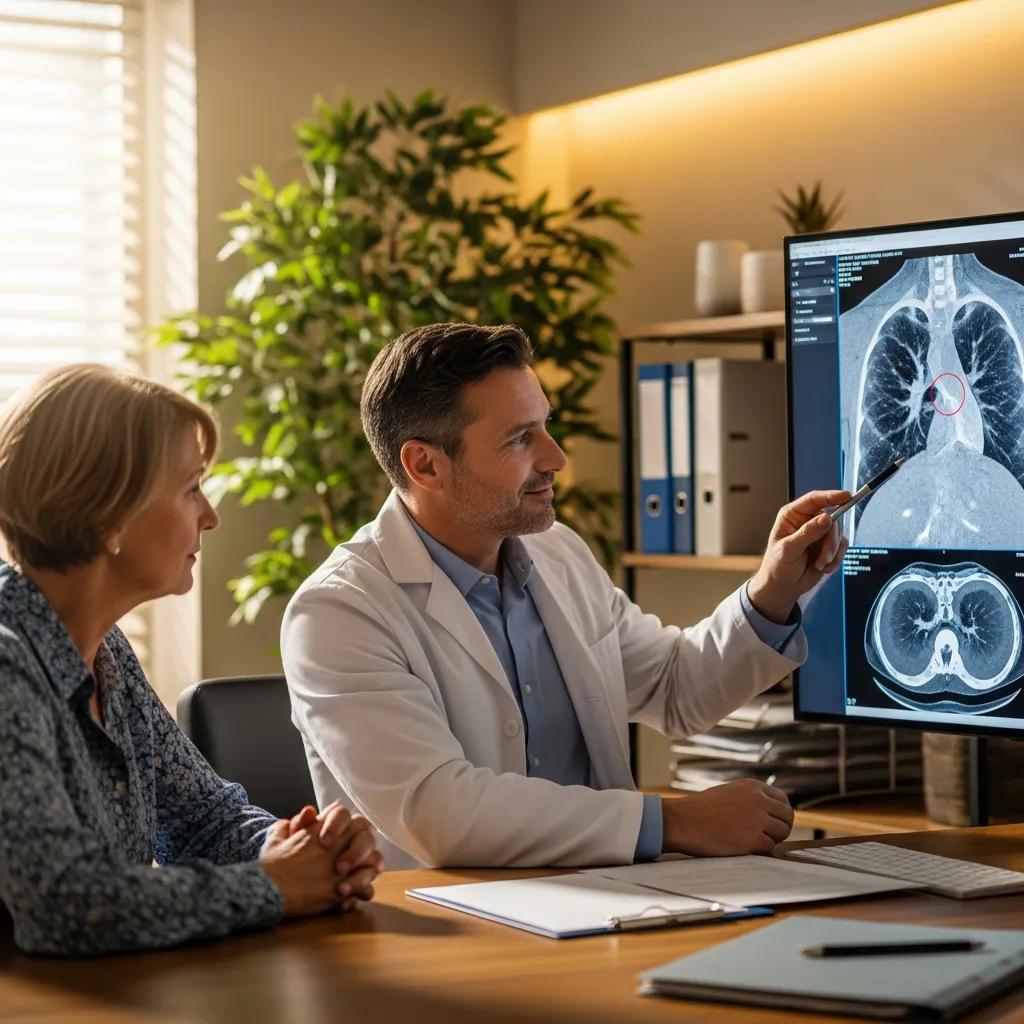
CT scan results are typically interpreted by radiologists, who analyze the images for any abnormalities. The findings are then communicated to the referring healthcare provider, who will discuss the results with the patient. Understanding the results is crucial for determining the next steps in diagnosis or treatment.
Different preparation steps for various types of CT scans can be summarized in the following table:
| CT Scan Type | Preparation Steps | Special Instructions |
|---|---|---|
| Abdominal CT | Clear liquid diet | Avoid solid food 24 hours prior |
| Contrast CT | Hydration required | Inform about iodine allergies |
| Routine CT | No special prep | Wear loose clothing |