Understanding Medical Imaging: A Comprehensive Overview
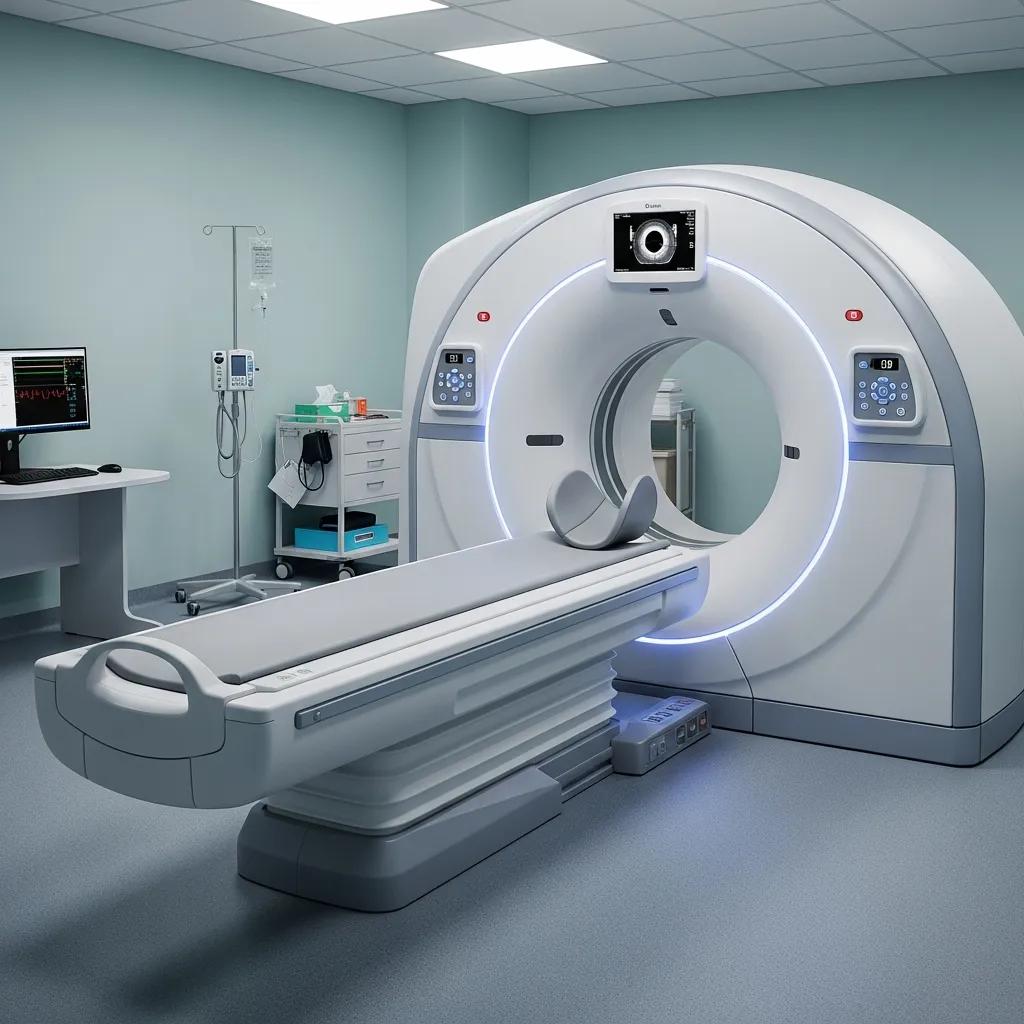
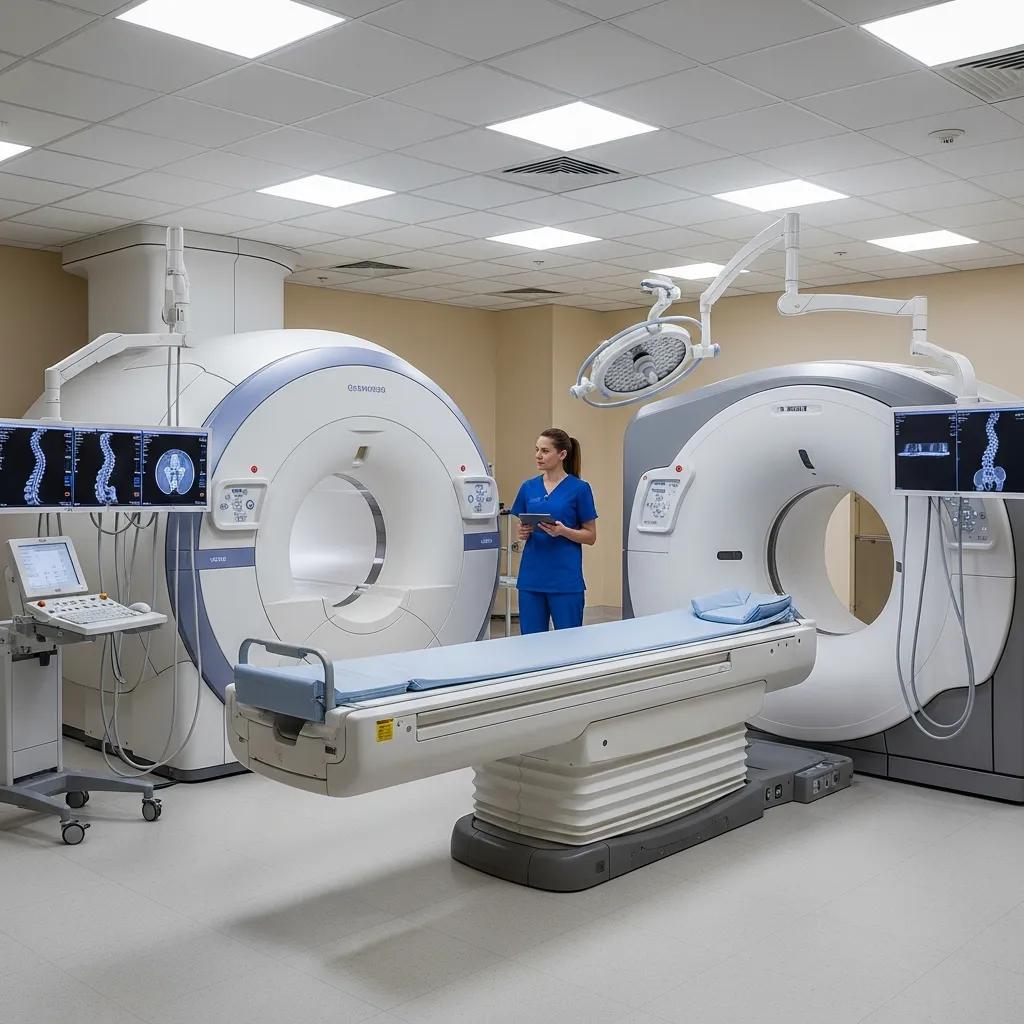
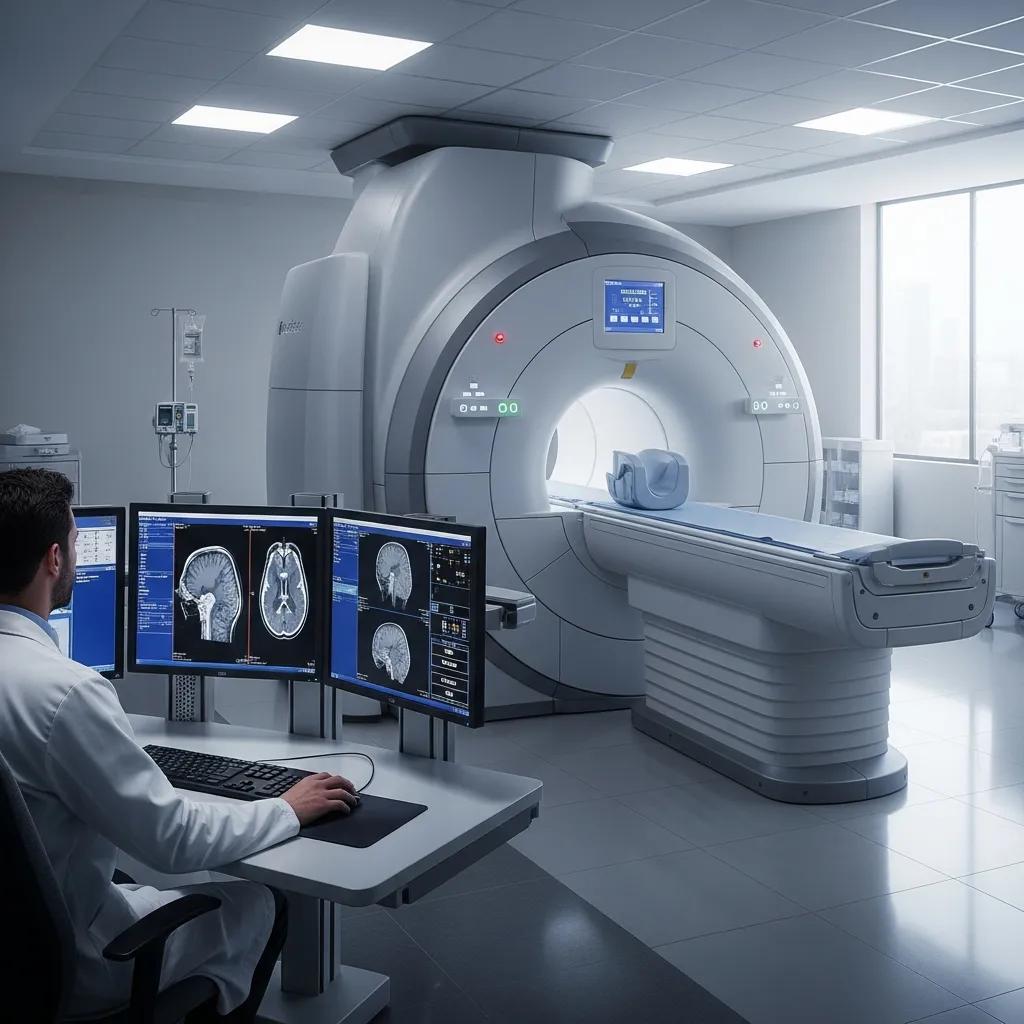
Medical imaging is a crucial component of modern healthcare, providing essential insights into a patient's condition through various diagnostic techniques. These imaging modalities, including X-rays, MRIs, and CT scans, enable healthcare professionals to diagnose and monitor diseases effectively.
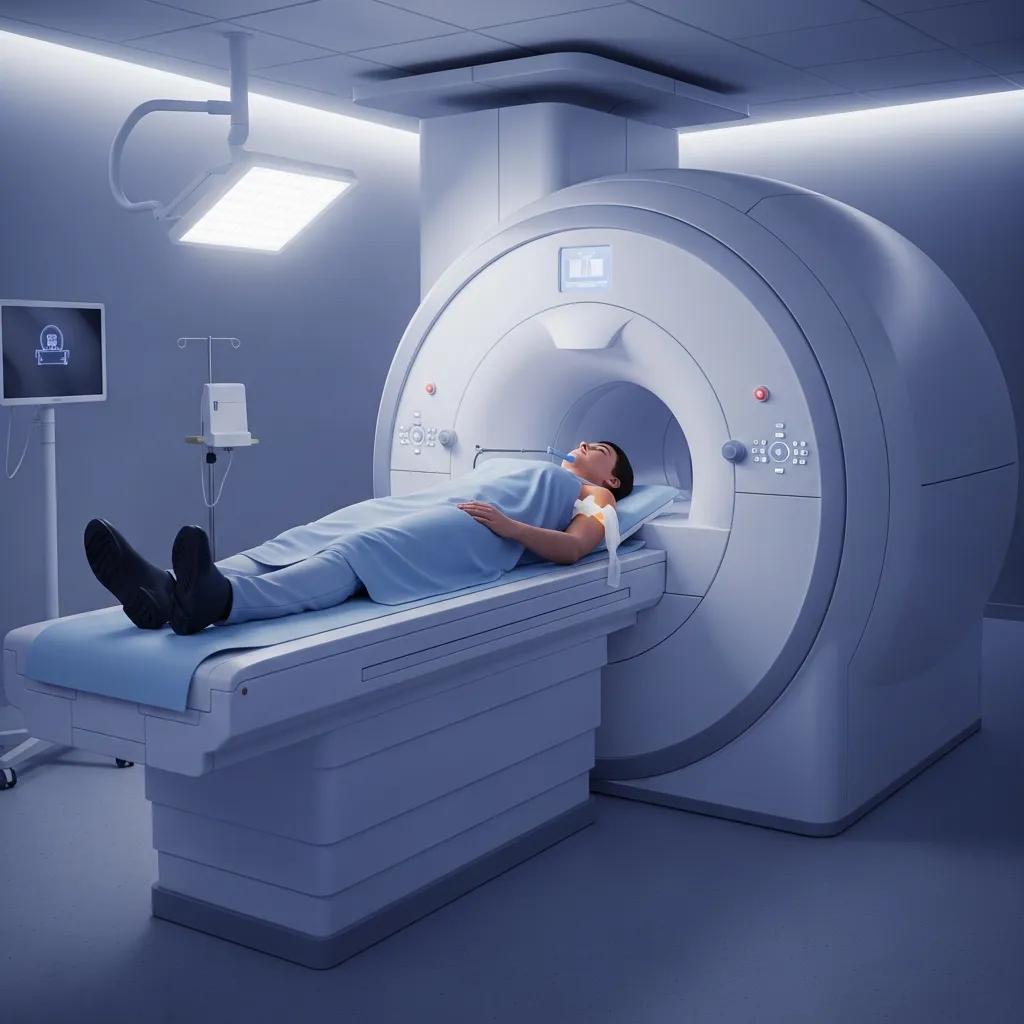
Each type of imaging serves a unique purpose; for instance, X-rays are primarily used for examining bones and detecting fractures, while MRIs offer detailed images of soft tissues. Understanding these differences helps patients make informed decisions about their healthcare options and prepares them for what to expect during their procedures.
How to Prepare for Your Imaging Appointment
Proper preparation for your imaging appointment is vital to ensure accurate results and a smooth experience. Depending on the type of imaging, patients may need to follow specific guidelines, such as fasting before an MRI or wearing comfortable clothing for X-rays.
Additionally, it's important to inform your healthcare provider about any medications you are taking or if you have any allergies. This information can help tailor the imaging process to your needs and ensure your safety throughout the procedure.
Common Questions About X-Ray Procedures
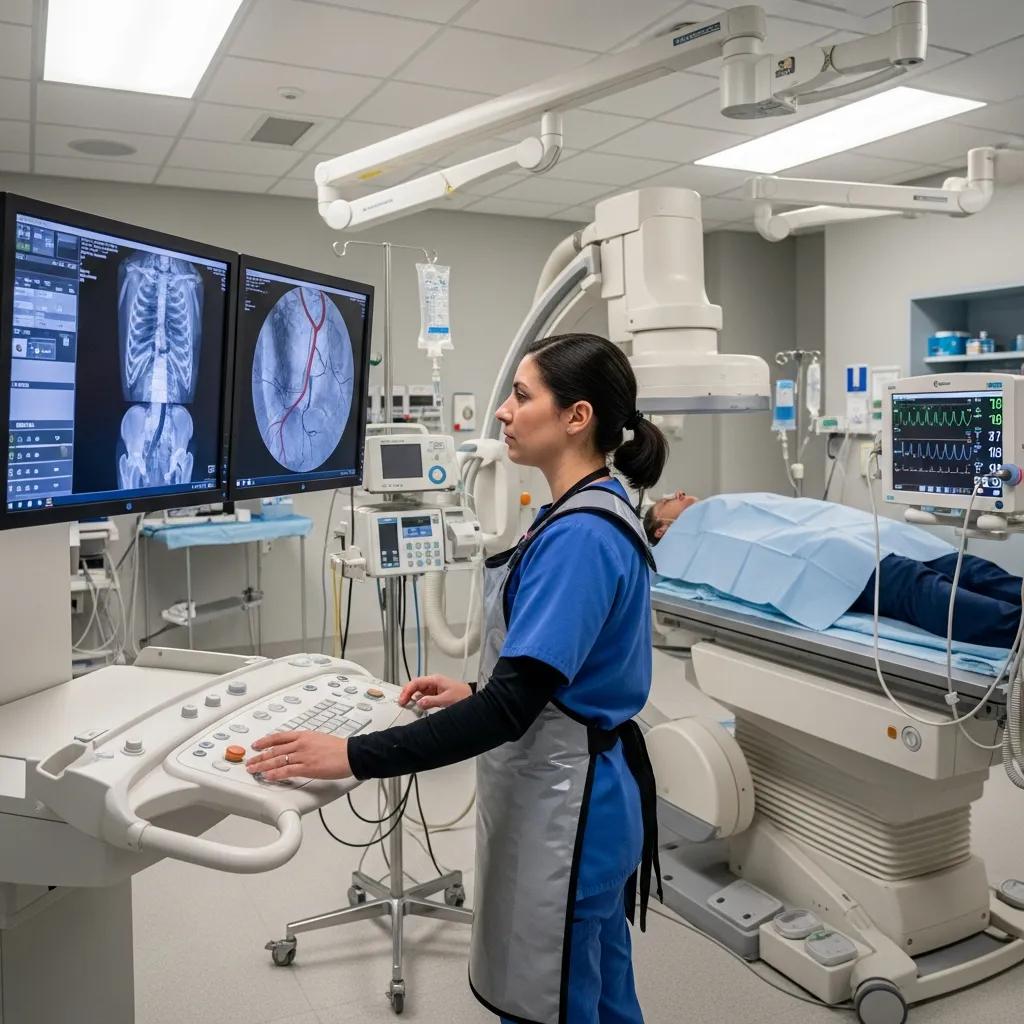
Patients often have questions regarding X-ray procedures, including their safety, duration, and what to expect during the process. Understanding these aspects can alleviate anxiety and prepare patients for their appointments.
For example, many patients wonder if X-rays are safe; modern technology minimizes radiation exposure, making them a reliable option for diagnostic imaging. Furthermore, X-ray procedures typically take only a few minutes, allowing patients to quickly return to their daily activities.
Post-Imaging: What Happens Next?
After undergoing an imaging procedure, patients may be curious about the next steps in their healthcare journey. Typically, the images are reviewed by a radiologist, who will then provide a report to the referring physician, detailing the findings and any recommendations for further action.
Patients can expect to receive information about their results during a follow-up appointment with their healthcare provider. This discussion is crucial for understanding the implications of the imaging results and determining the appropriate course of treatment if necessary.
Understanding Medical Imaging: A Comprehensive Overview
Medical imaging is a crucial component of modern healthcare, providing essential insights into a patient's condition through various diagnostic techniques. These imaging modalities, including X-rays, MRIs, and CT scans, enable healthcare professionals to diagnose and monitor diseases effectively.
Each type of imaging serves a unique purpose; for instance, X-rays are primarily used for examining bones and detecting fractures, while MRIs offer detailed images of soft tissues. Understanding these differences helps patients make informed decisions about their healthcare options and prepares them for what to expect during their procedures.
How to Prepare for Your Imaging Appointment
Proper preparation for your imaging appointment is vital to ensure accurate results and a smooth experience. Depending on the type of imaging, patients may need to follow specific guidelines, such as fasting before an MRI or wearing comfortable clothing for X-rays.
Additionally, it's important to inform your healthcare provider about any medications you are taking or if you have any allergies. This information can help tailor the imaging process to your needs and ensure your safety throughout the procedure.
Common Questions About X-Ray Procedures
Patients often have questions regarding X-ray procedures, including their safety, duration, and what to expect during the process. Understanding these aspects can alleviate anxiety and prepare patients for their appointments.
For example, many patients wonder if X-rays are safe; modern technology minimizes radiation exposure, making them a reliable option for diagnostic imaging. Furthermore, X-ray procedures typically take only a few minutes, allowing patients to quickly return to their daily activities.
Post-Imaging: What Happens Next?
After undergoing an imaging procedure, patients may be curious about the next steps in their healthcare journey. Typically, the images are reviewed by a radiologist, who will then provide a report to the referring physician, detailing the findings and any recommendations for further action.
Patients can expect to receive information about their results during a follow-up appointment with their healthcare provider. This discussion is crucial for understanding the implications of the imaging results and determining the appropriate course of treatment if necessary.