Comprehensive Overview of Medical Imaging Services
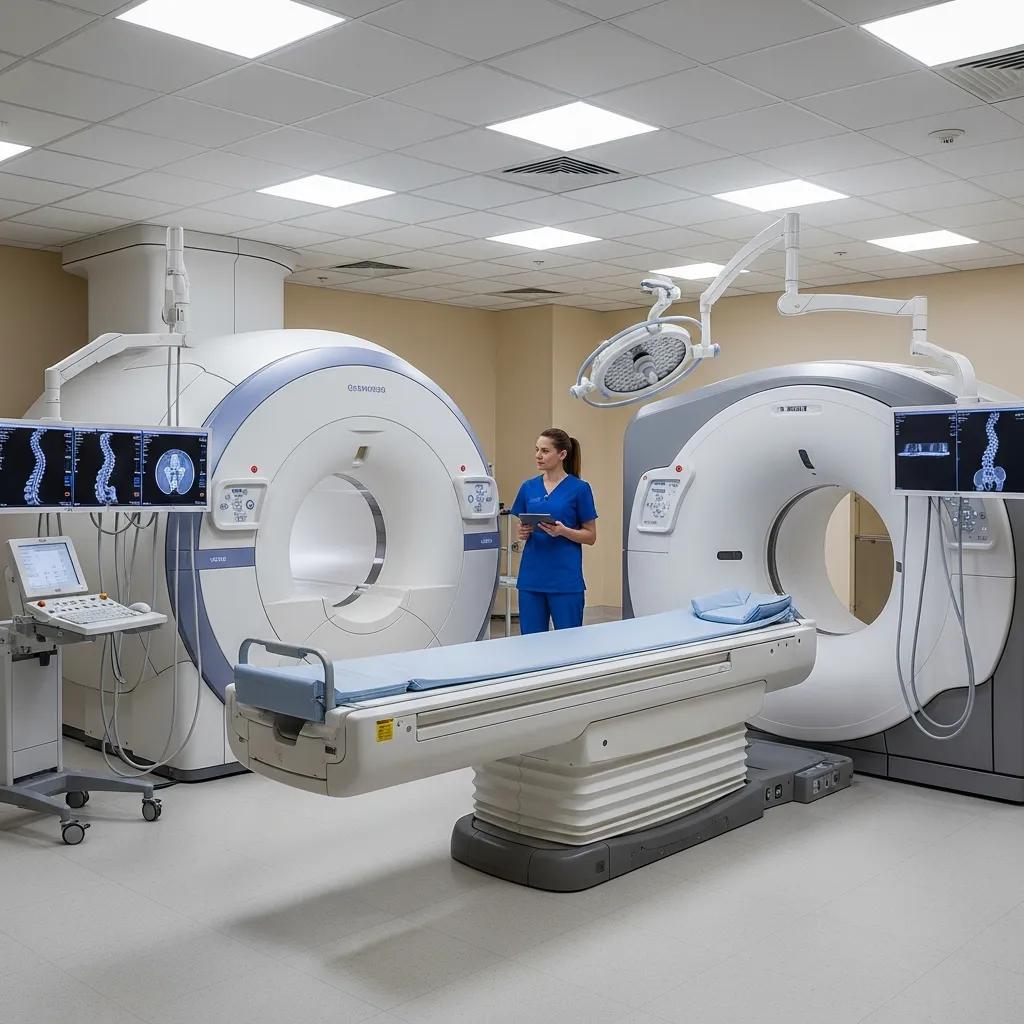
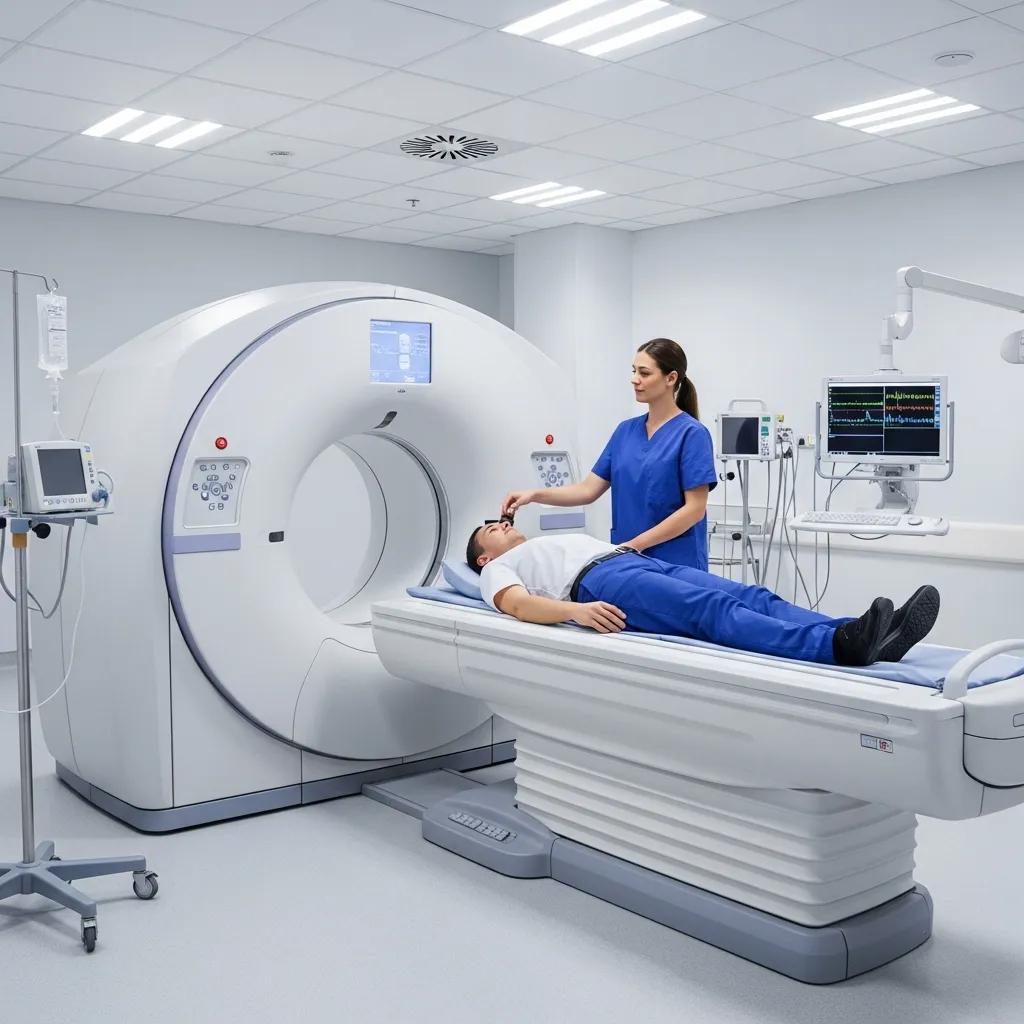
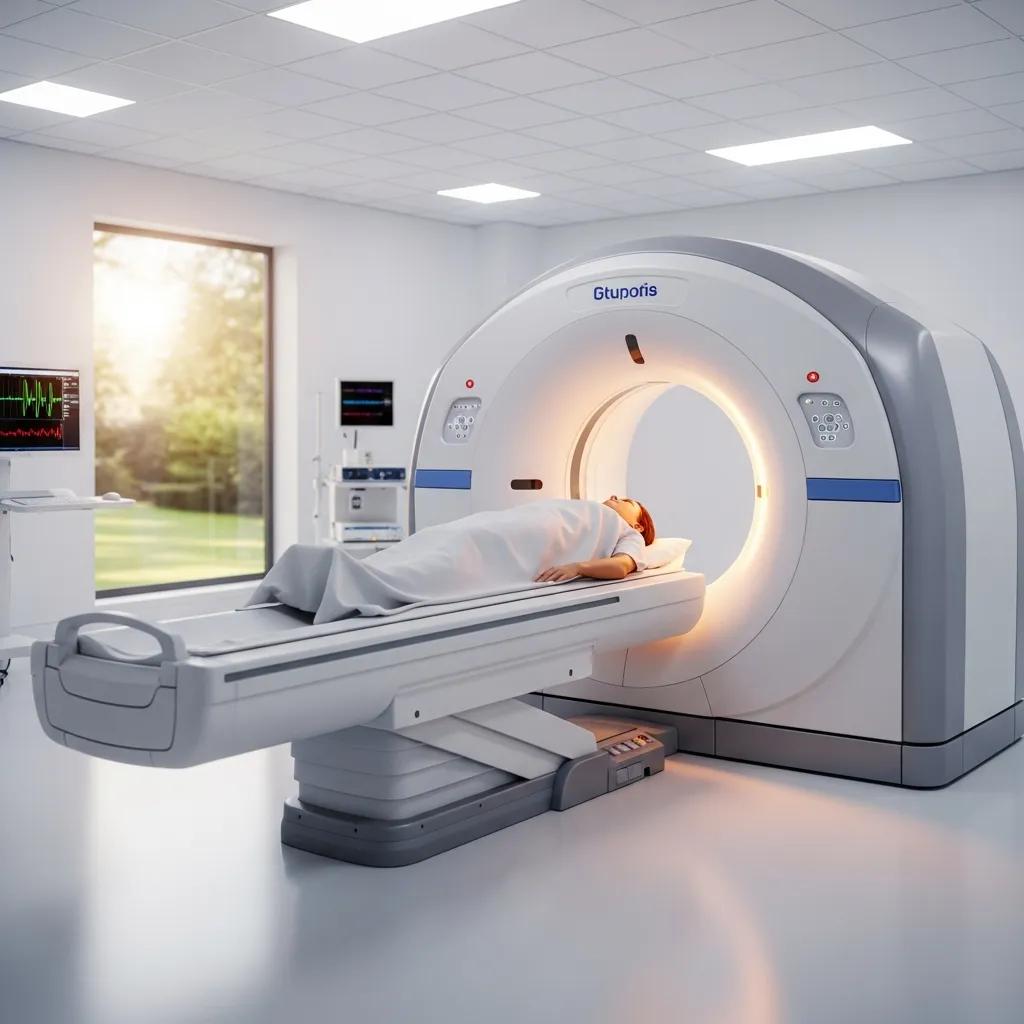
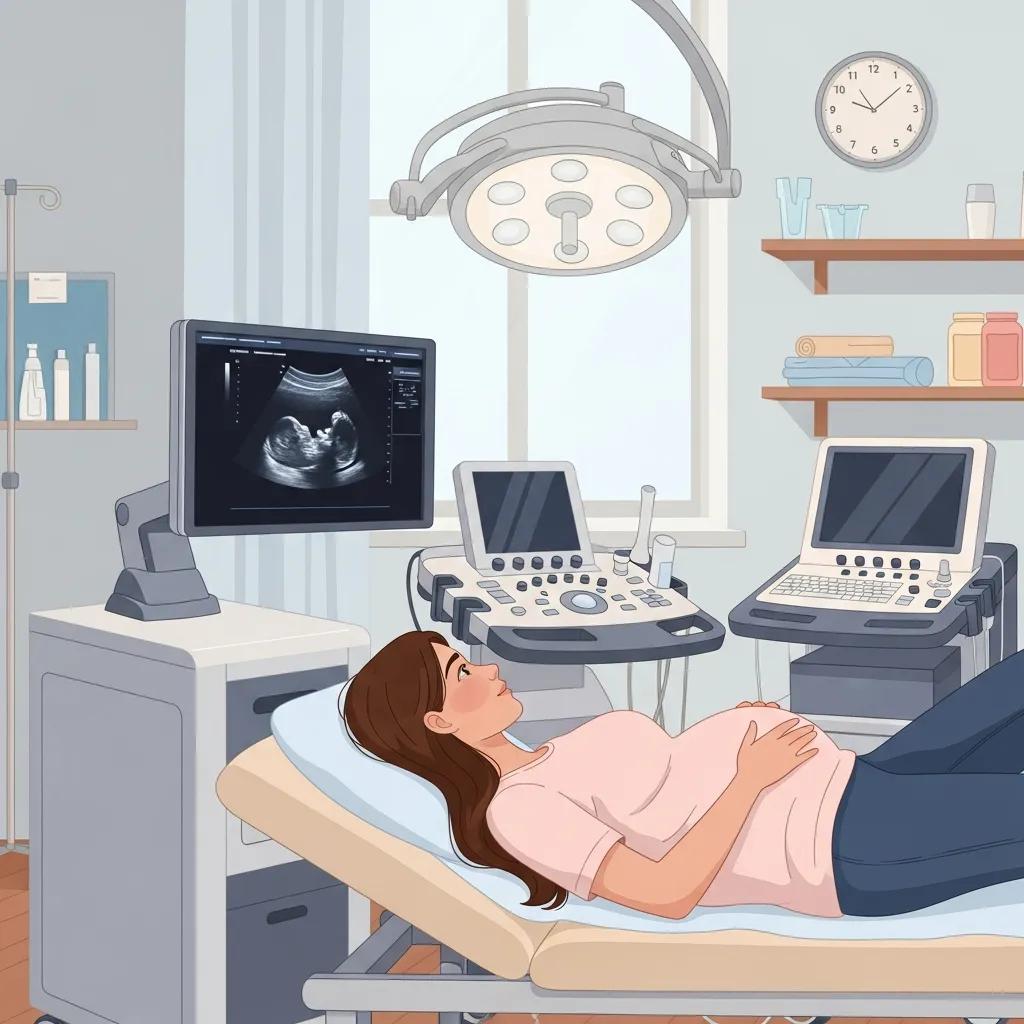
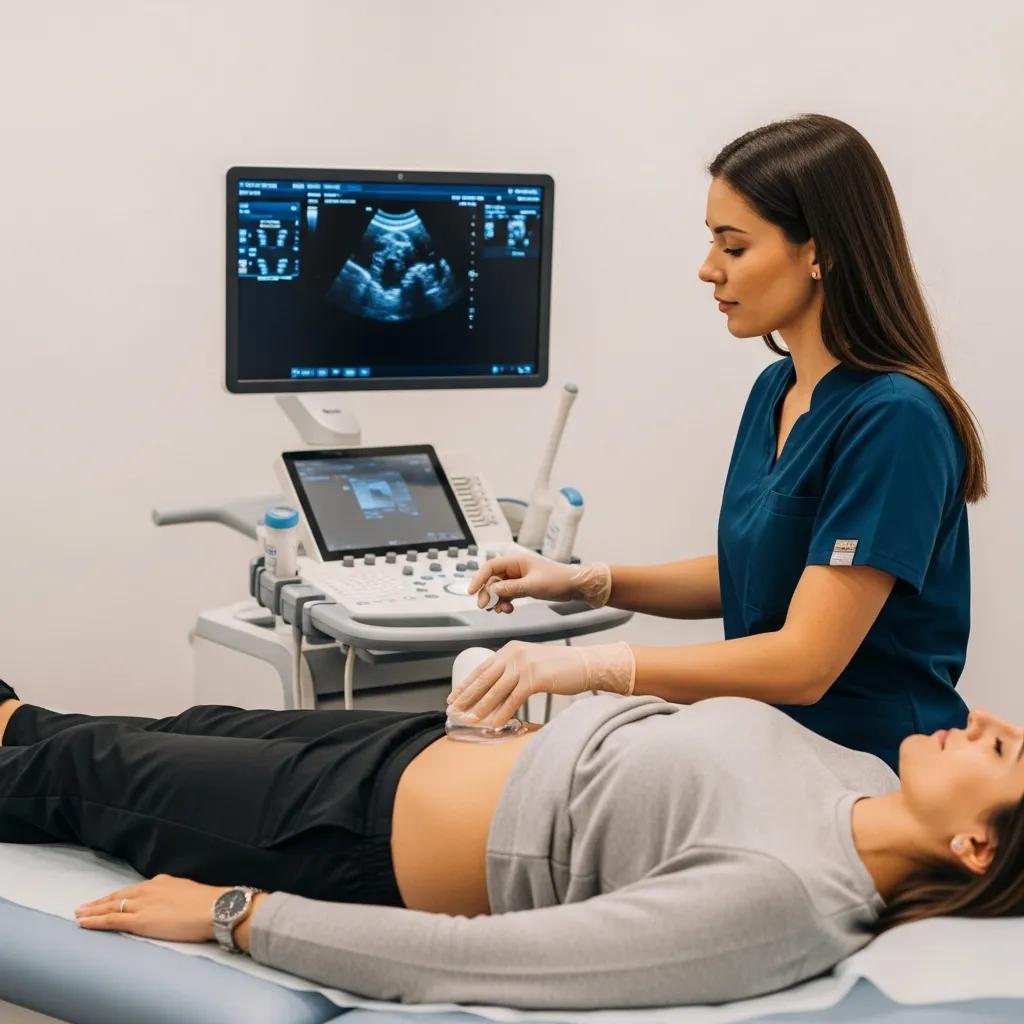
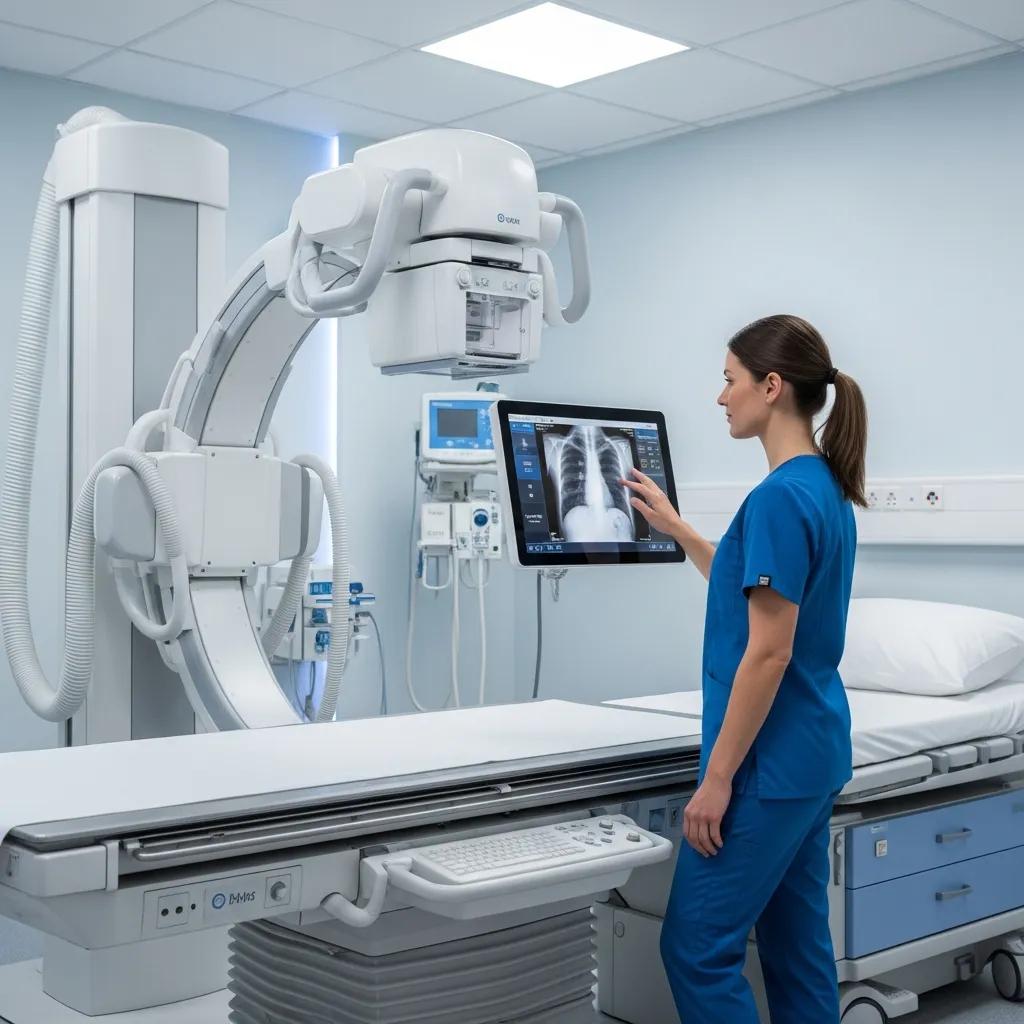
Medical imaging services are essential for accurate diagnosis and treatment planning in healthcare. This overview provides insights into various imaging techniques, including X-rays, MRIs, CT scans, and ultrasounds, highlighting their significance in patient care.
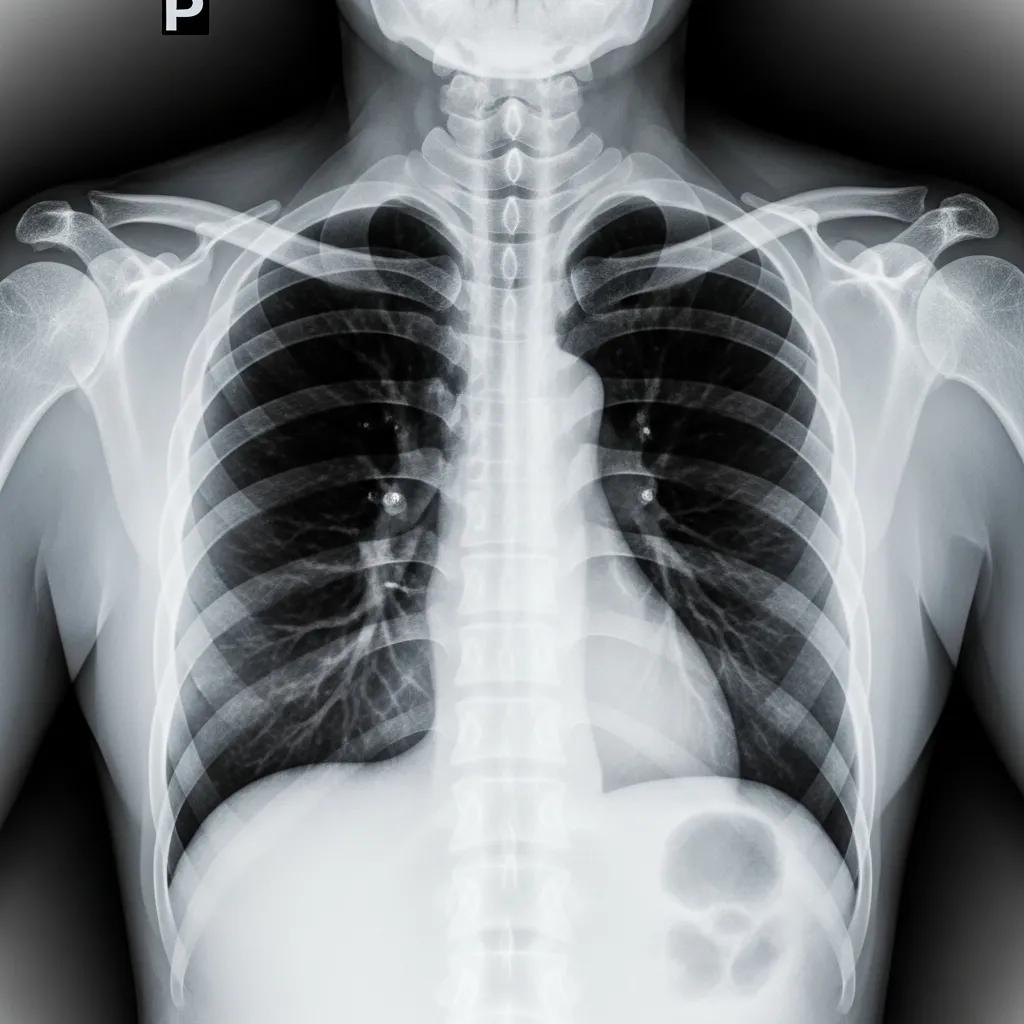
Each imaging modality serves a unique purpose; for instance, X-rays are primarily used for examining bone structures, while MRIs offer detailed images of soft tissues. Understanding these differences helps patients make informed decisions about their healthcare needs.
Preparing for Your X-Ray Appointment: Tips and Guidelines
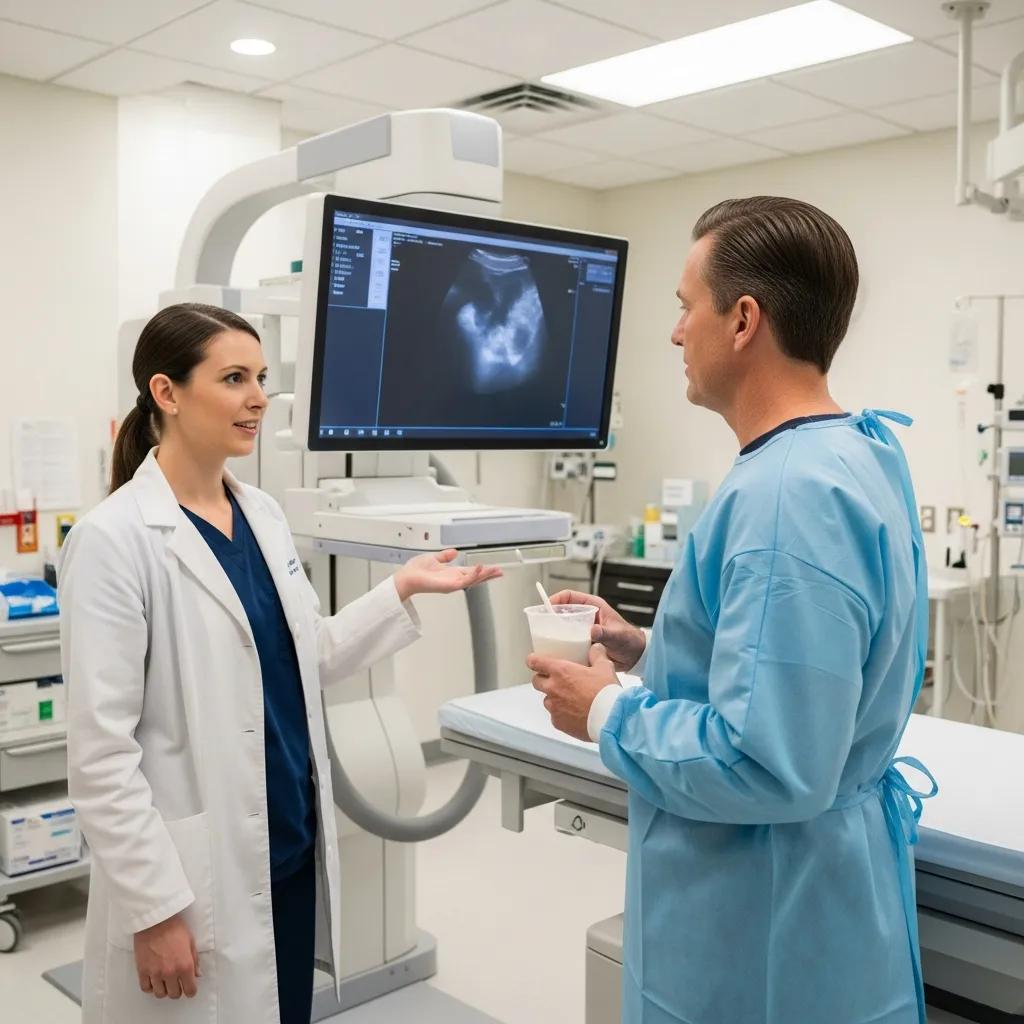
Preparing for an X-ray appointment is crucial to ensure accurate results and a smooth experience. Patients are often advised to wear loose-fitting clothing and remove any metal objects that may interfere with the imaging process.
Additionally, specific preparations may vary depending on the type of X-ray being performed. For example, patients may need to refrain from eating or drinking before certain procedures. Following the preparation guidelines provided by the radiology team can help optimize the imaging results.
Understanding the Role of Radiologists in Diagnostic Imaging
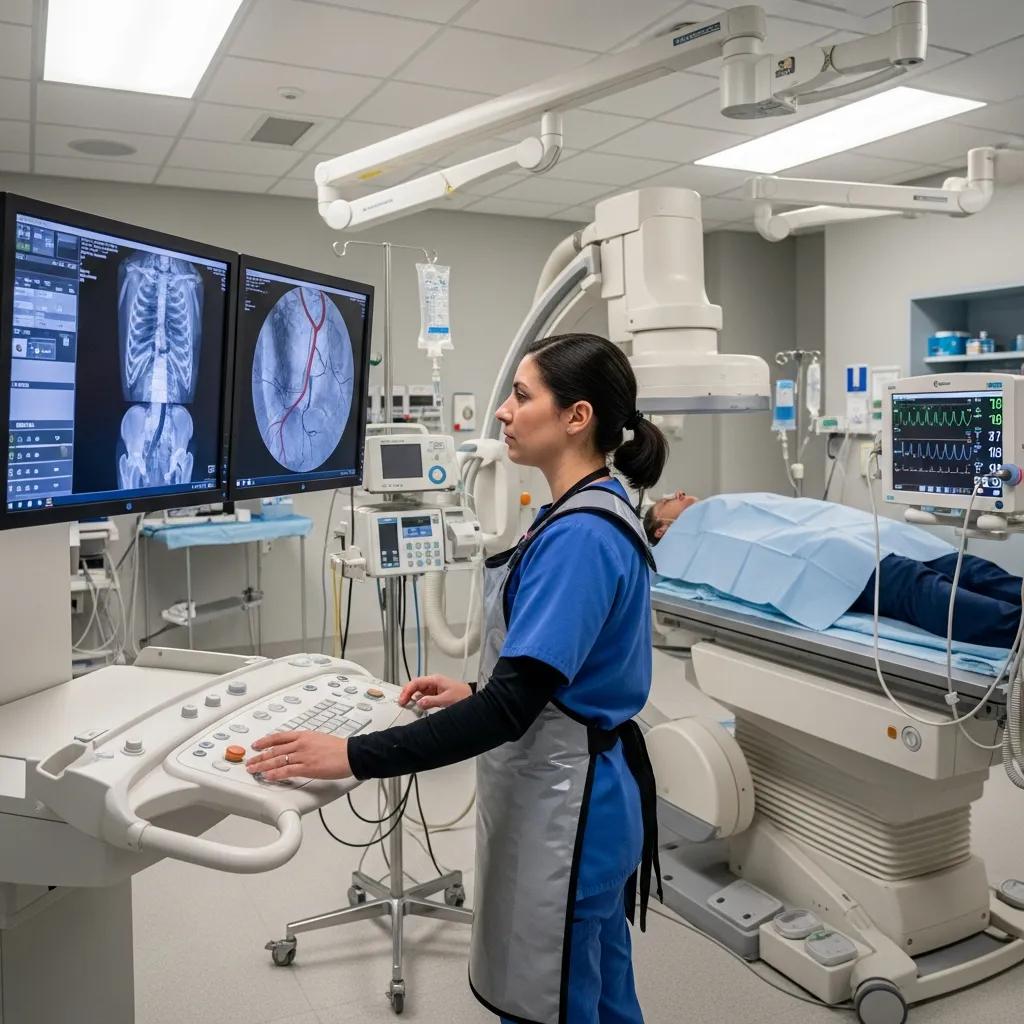
Radiologists play a vital role in the diagnostic imaging process, interpreting the results of various imaging studies to assist in patient diagnosis and treatment. Their expertise ensures that abnormalities are accurately identified and communicated to referring physicians.
In addition to interpreting images, radiologists often collaborate with other healthcare professionals to develop comprehensive treatment plans based on imaging findings. This collaboration is essential for providing high-quality patient care and improving health outcomes.
Innovations in Medical Imaging Technology
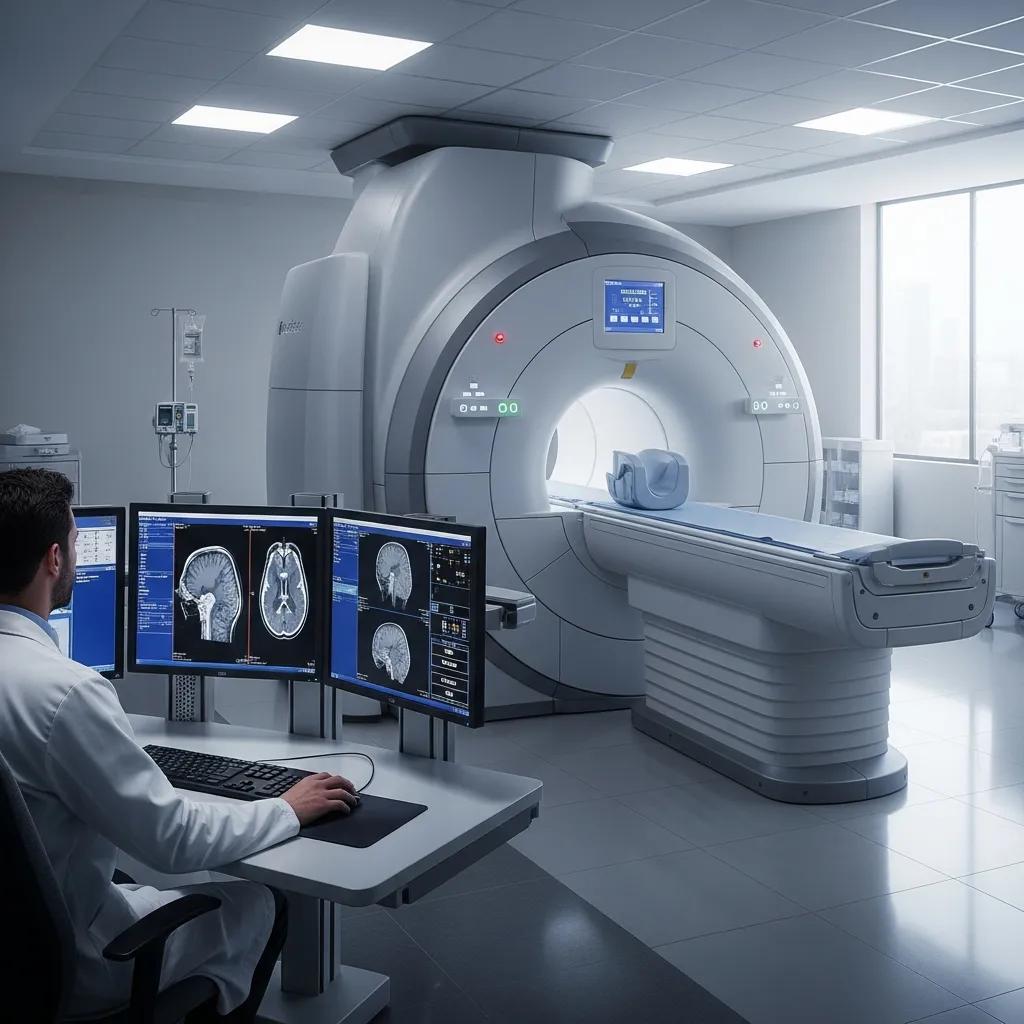
Advancements in medical imaging technology have significantly improved diagnostic capabilities and patient outcomes. Innovations such as 3D imaging, portable ultrasound devices, and AI-assisted interpretation are transforming the way radiologists work.
These technological developments not only enhance the accuracy of diagnoses but also streamline workflows within healthcare facilities. As technology continues to evolve, patients can expect more efficient and effective imaging services in the future.
Comprehensive Overview of Medical Imaging Services
Medical imaging services are essential for accurate diagnosis and treatment planning in healthcare. This overview provides insights into various imaging techniques, including X-rays, MRIs, CT scans, and ultrasounds, highlighting their significance in patient care.
Each imaging modality serves a unique purpose; for instance, X-rays are primarily used for examining bone structures, while MRIs offer detailed images of soft tissues. Understanding these differences helps patients make informed decisions about their healthcare needs.
Preparing for Your X-Ray Appointment: Tips and Guidelines
Preparing for an X-ray appointment is crucial to ensure accurate results and a smooth experience. Patients are often advised to wear loose-fitting clothing and remove any metal objects that may interfere with the imaging process.
Additionally, specific preparations may vary depending on the type of X-ray being performed. For example, patients may need to refrain from eating or drinking before certain procedures. Following the preparation guidelines provided by the radiology team can help optimize the imaging results.
Understanding the Role of Radiologists in Diagnostic Imaging
Radiologists play a vital role in the diagnostic imaging process, interpreting the results of various imaging studies to assist in patient diagnosis and treatment. Their expertise ensures that abnormalities are accurately identified and communicated to referring physicians.
In addition to interpreting images, radiologists often collaborate with other healthcare professionals to develop comprehensive treatment plans based on imaging findings. This collaboration is essential for providing high-quality patient care and improving health outcomes.
Innovations in Medical Imaging Technology
Advancements in medical imaging technology have significantly improved diagnostic capabilities and patient outcomes. Innovations such as 3D imaging, portable ultrasound devices, and AI-assisted interpretation are transforming the way radiologists work.
These technological developments not only enhance the accuracy of diagnoses but also streamline workflows within healthcare facilities. As technology continues to evolve, patients can expect more efficient and effective imaging services in the future.