
Teleradiology and Outsourcing Radiology Reporting: A Comprehensive Guide for General Practitioners
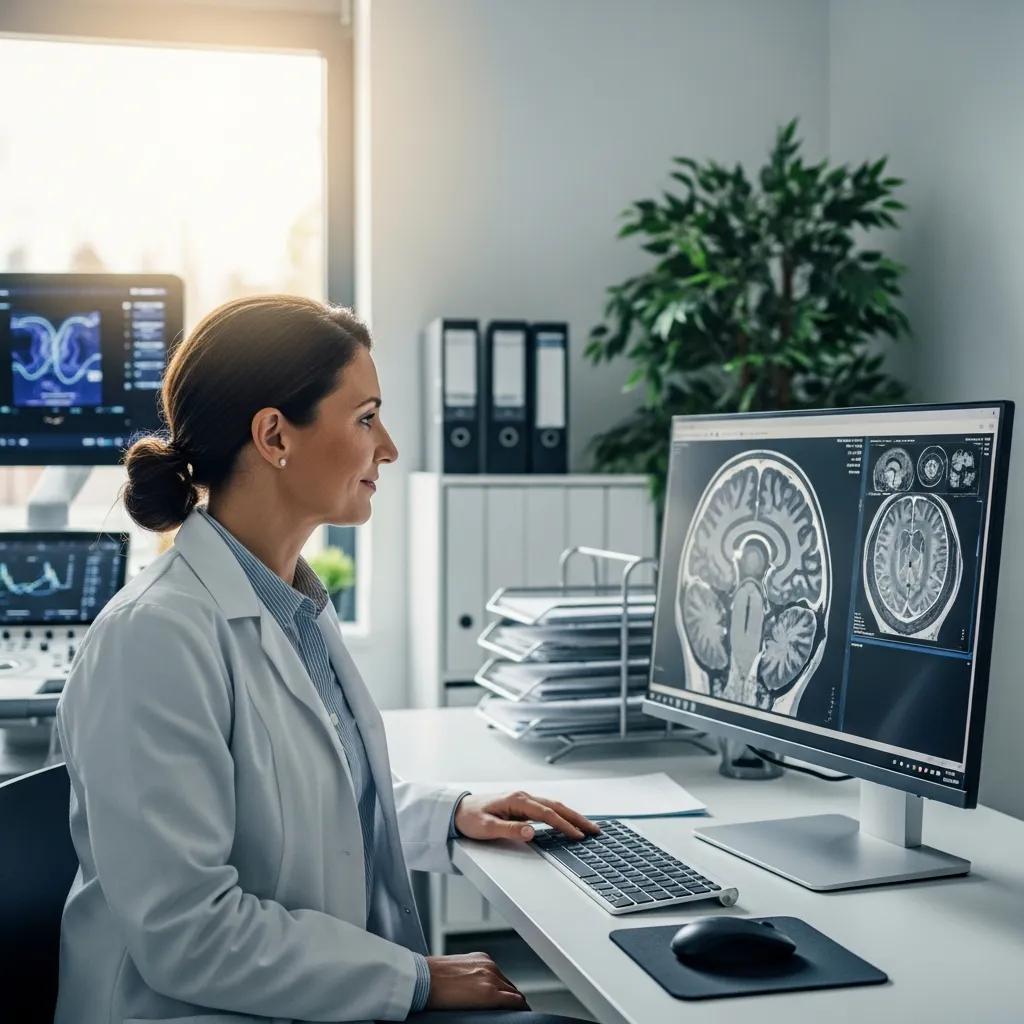
Teleradiology is revolutionizing the way general practitioners (GPs) access and utilize radiological services. This innovative approach allows for the remote interpretation of medical images, providing GPs with timely and accurate diagnostic reports. In this guide, we will explore the principles of teleradiology, the benefits of outsourcing radiology reporting, and best practices for implementation. Many healthcare facilities face challenges such as high operational costs and limited access to specialized radiologists. X-Ray Docs offers a solution by streamlining workflows and enhancing patient care. We will delve into the mechanisms of teleradiology, its impact on patient management, and how GPs can effectively integrate these services into their practices.
Principles of Teleradiology
Teleradiology involves the transmission of radiological images from one location to another for interpretation by a qualified radiologist. This process typically includes three key components: image acquisition, secure transmission, and expert interpretation. The images are captured using various imaging modalities, such as X-rays, CT scans, and MRIs. Once acquired, these images are securely transmitted over the internet to radiologists who analyze them and provide diagnostic reports. This workflow not only enhances efficiency but also ensures that patients receive timely diagnoses, which is crucial for effective treatment.
Benefits of Outsourcing Radiology Reporting
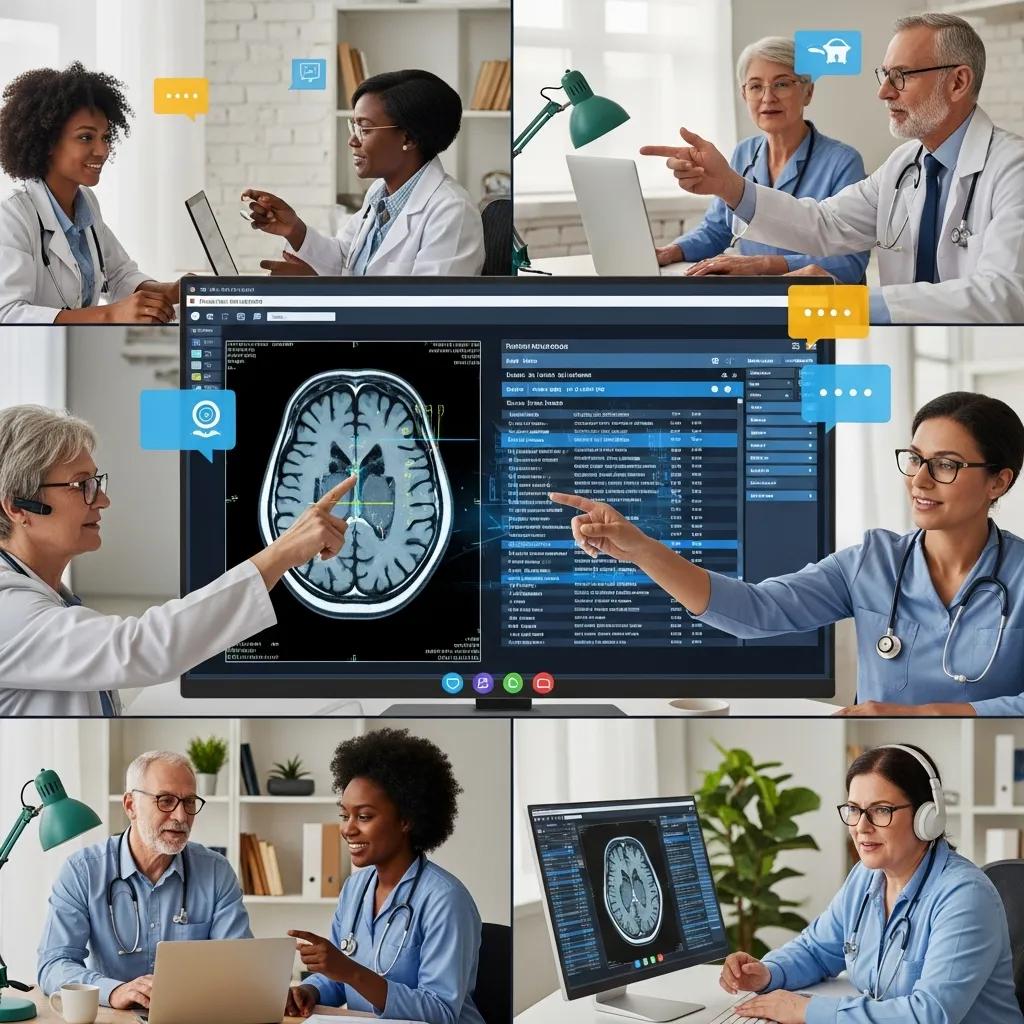
Outsourcing radiology reporting offers numerous advantages for general practitioners and healthcare facilities. Here are some key benefits:
Research further supports the significant impact of teleradiology implementation on practice efficiency and cost reduction.
Teleradiology Implementation: Impact on Practice & Cost Savings
Contemporary information and communication technology is accelerating development of new and innovative ways for disseminating and sharing health information and knowledge between different healthcare institutions and users. Lately, several initiatives and technology innovations were introduced in the field of medical informatics. Researchers and practitioners are investing a lot of time and effort in research and development of standards for interoperable healthcare knowledge delivery and efficient healthcare KM. There are several challenges related to the healthcare KM that have to be addressed such as complexity and interoperability of healthcare information systems, impact of medical errors, patients’ data security, etc. In this paper, a case of integration of the RIS/PACS system with existing information systems in health centre Velenje is presented. Additionally, implementation of the teleradiology is presented together with an analysis of its impact on the radiology practice and cost savings.
Integration of RIS and PACS for efficient knowledge management in healthcare–a case in Slovenia, B Šumak, 2015
- Cost Savings: By outsourcing, practices can reduce overhead costs associated with maintaining in-house radiology departments.
- Increased Access to Services: GPs gain access to a broader network of radiologists, including specialists in various fields.
- Faster Turnaround Times: Outsourcing can significantly improve the speed of report generation, allowing for quicker clinical decisions.
For GPs looking to enhance their practice, partnering with a teleradiology service provider like X-Ray Docs can streamline operations and improve patient outcomes.
Best Practices for Implementation
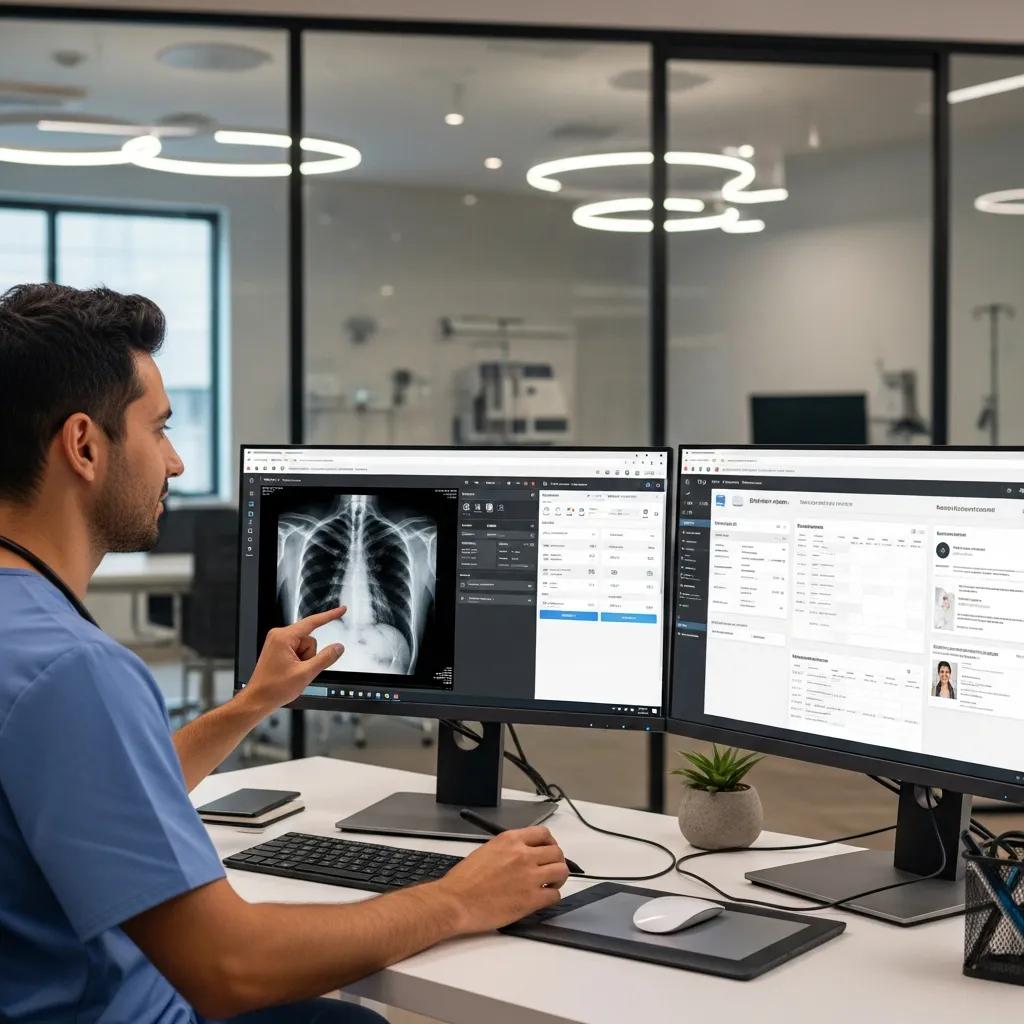
Implementing teleradiology services requires careful planning and execution. Here are some best practices to consider:
- Choosing a Provider: Select a reputable teleradiology service that meets your practice’s specific needs and complies with regulatory standards.
- Integration with Existing Systems: Ensure that the teleradiology platform integrates seamlessly with your practice management and electronic health record (EHR) systems.
- Quality Assurance Processes: Establish protocols for quality assurance to maintain high standards in diagnostic accuracy and report reliability.
Considerations for Patient Care
When integrating teleradiology into practice, patient care must remain a top priority. Key considerations include:
- Data Security and Compliance: Ensure that all patient data is transmitted securely and complies with healthcare regulations.
- Timely Reporting: Strive for prompt report delivery to facilitate timely clinical decisions.
- Patient Access to Information: Provide patients with easy access to their imaging results and reports to enhance transparency and trust.
What Is Teleradiology and How Does It Support General Practitioners?
Teleradiology is a specialized field within medical imaging that allows for the remote interpretation of radiological images. This service supports general practitioners by providing them with timely access to expert radiological opinions, which is essential for accurate diagnosis and treatment planning. By leveraging teleradiology, GPs can enhance their diagnostic capabilities and improve patient management, particularly in cases requiring urgent attention.
How Does Remote Radiology Reporting Work for Clinics?
Remote radiology reporting operates through a systematic process that begins with image acquisition. Once images are captured, they are securely transmitted to a radiologist who interprets the images and generates a report. This process is facilitated by advanced technology that ensures the integrity and confidentiality of patient data. The efficiency of remote reporting allows clinics to provide high-quality care without the need for in-house radiology services.
What Technologies Enable Digital Radiology Reporting Platforms?
Several technologies underpin digital radiology reporting platforms, enhancing their functionality and efficiency. Key technologies include:
- Picture Archiving and Communication Systems (PACS): These systems store and manage medical images, allowing for easy access and retrieval.
- Secure Transmission Technologies: Encryption and secure networks ensure that patient data is protected during transmission.
- Artificial Intelligence (AI) Tools: AI can assist radiologists in image analysis, improving diagnostic accuracy and efficiency.
What Are the Key Benefits of Radiology Outsourcing Services for GPs?
Outsourcing radiology services provides several key benefits for general practitioners:
- Cost Efficiency: Reduces the financial burden of maintaining an in-house radiology department.
- Access to Specialists: GPs can consult with radiologists who have specialized expertise in various imaging modalities.
- Improved Workflow: Streamlines the process of obtaining and interpreting radiological images, enhancing overall practice efficiency.
How Does Outsourcing Improve Radiology Reporting Turnaround Time?
Outsourcing radiology reporting can significantly enhance turnaround times for diagnostic reports. By accessing a larger pool of radiologists, practices can ensure that reports are generated quickly, even during peak times. This efficiency is particularly beneficial in emergency situations where timely diagnoses are critical for patient care.
What Are the Clinical Advantages of Remote Radiology Reporting?
Remote radiology reporting offers several clinical advantages, including:
- Faster Reporting Times: Quick access to reports allows for timely clinical decisions.
- Access to Specialists: GPs can consult with radiologists who specialize in specific areas, improving diagnostic accuracy.
- Improved Collaboration: Enhanced communication between GPs and radiologists fosters better patient management.
How Can General Practitioners Effectively Use Teleradiology Solutions?
General practitioners can effectively utilize teleradiology solutions by following these steps:
- Image Acquisition and Transmission: Ensure that imaging equipment is compatible with teleradiology platforms for seamless data transfer.
- Utilization of PACS and RIS: Leverage Picture Archiving and Communication Systems (PACS) and Radiology Information Systems (RIS) for efficient image management.
- Patient Access and Communication: Facilitate patient access to their imaging results and maintain open communication regarding their care.
What Are the Steps to Book Imaging Services with X-Ray Docs?
Booking imaging services with X-Ray Docs involves a straightforward process:
- Image Acquisition: Capture the necessary radiological images using compatible equipment.
- Secure Transmission: Transmit the images securely to X-Ray Docs for interpretation.
- Expert Interpretation: Receive a detailed diagnostic report from a qualified radiologist.
How Do Radiology Reporting Services Integrate with GP Workflows?
Radiology reporting services integrate with GP workflows by streamlining the process of image acquisition, transmission, and report generation. This integration allows for rapid reporting and collaboration between GPs and radiologists, enhancing patient care. Additionally, the use of AI tools and standardized reporting formats can further improve the efficiency of the workflow.
What Regulatory and Quality Considerations Affect Teleradiology in South Africa?
In South Africa, regulatory and quality considerations for teleradiology include:
- Regulatory Compliance: Adherence to local healthcare regulations is essential for maintaining the integrity of teleradiology services.
- Quality Assurance Measures: Implementing quality assurance protocols ensures that diagnostic reports meet established standards.
- Data Security: Protecting patient data during transmission and storage is critical for compliance and patient trust.
Is Teleradiology Legal and Compliant with South African Healthcare Regulations?
Yes, teleradiology is legal and compliant with South African healthcare regulations, provided that service providers adhere to established guidelines. This compliance ensures that patient data is handled securely and that diagnostic reports are generated by qualified professionals.
How Does X-Ray Docs Ensure Diagnostic Accuracy and Report Reliability?
X-Ray Docs maintains diagnostic accuracy and report reliability through rigorous quality assurance measures. These measures include compliance with regulatory standards, structured reporting formats, and continuous training for radiologists. By prioritizing quality, X-Ray Docs ensures that GPs receive reliable diagnostic information to support patient care.